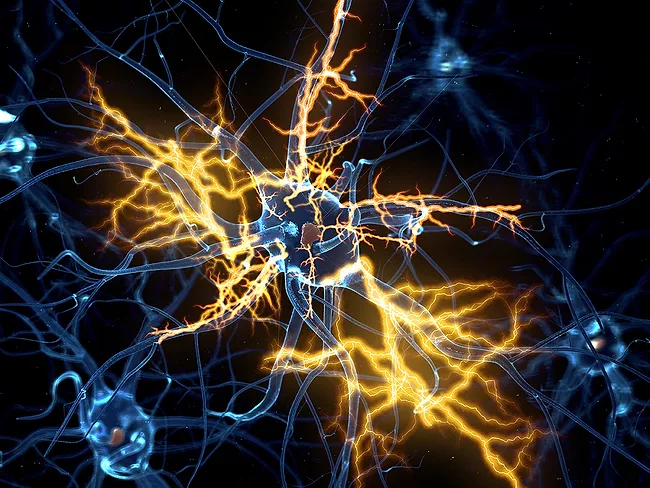
Researchers from China Pharmaceutical University and affiliated organizations have reported the discovery and preclinical evaluation of a novel bromodomain and extra-terminal (BET) inhibitor, DDO-8926, being developed for the management of neuropathic pain.
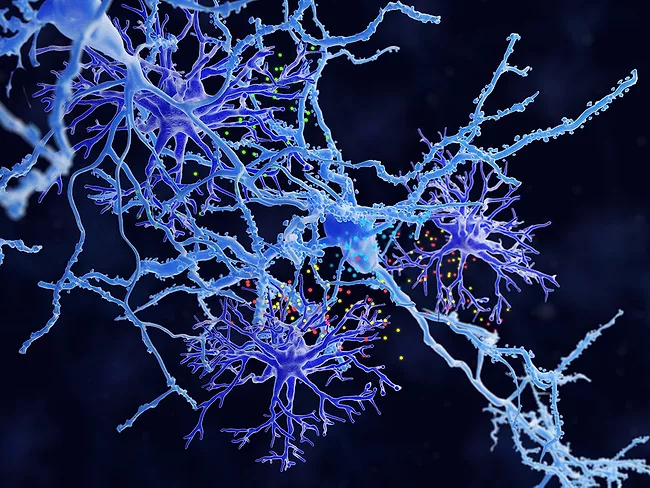
Swiss researchers have gained new insights into the relationship between aging, inflammation, neurodegeneration and cognitive decline. EPFL professor Andrea Ablasser and her team showed that brain aging was driven by microglial activation of the cGAS/STING pathway.
Entrada Therapeutics Inc. has received authorization from the U.K.’s Medicines and Healthcare Products Regulatory Agency (MHRA) and Research Ethics Committee (REC) for its CTIMP (clinical trial of an investigational medicinal product) application for a phase I clinical trial in healthy volunteers for ENTR-601-44.
A receptor could hold the key to explaining how stress affects behavior, at least under certain circumstances. Scientists from the Korea Advanced Institute of Science and Technology (KAIST) have described how childhood neglect or abuse altered the brain. Stress glucocorticoid hormones caused neuronal damage in mice by increasing the receptor tyrosine kinase MERTK in astrocytes and inducing them to phagocytose excitatory synapses.
Bright Minds Biosciences Inc. has created phenethlyamines acting as 5-HT2A receptor agonists and reported to be useful for the treatment of depression and anxiety disorders.
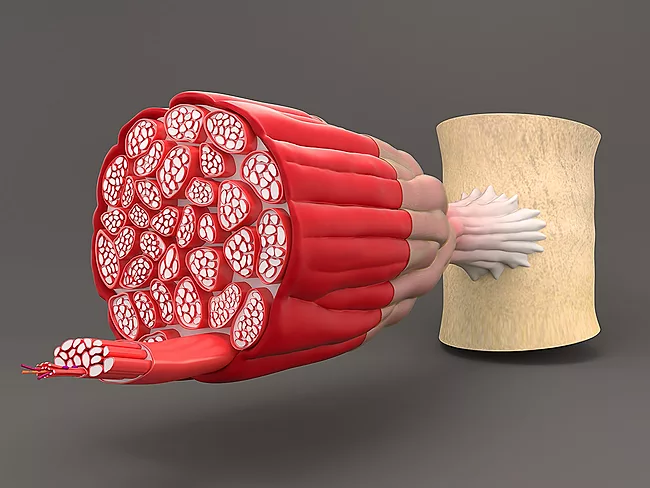
Non-profit Solve GNE LLC has raised over $2.5 million and announced sponsored research agreements to help advance research in hereditary inclusion body myopathy (HIBM), or GNE myopathy (GNEM).
Researchers from Universita degli Studi di Pavia and affiliated organizations have presented the discovery of a novel sigma-1 receptor (S1R) antagonist, RC-752, being developed as an antinociceptive agent for the treatment of neuropathic pain.
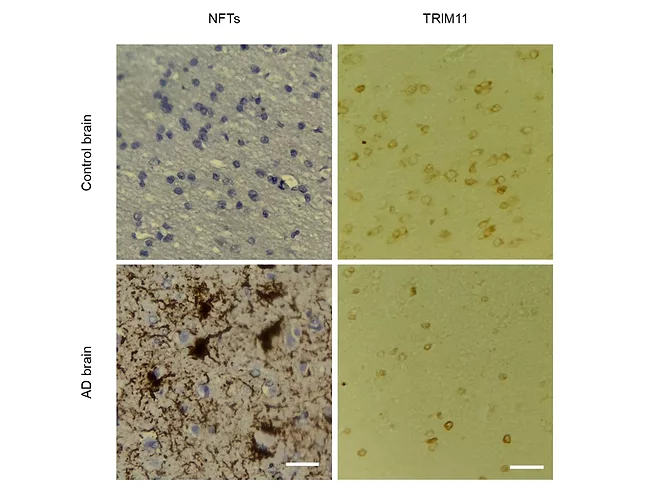
Protein quality control research is “almost exclusively focused on heat shock proteins, which are ubiquitously present” up and down the evolutionary chain, Xiaolu Yang told BioWorld. But “for more sophisticated organisms, which we humans like to think we are, it’s a little odd that we still use the system that bacteria started with…. It seems like we should have something more. The TRIM system,” he added, “fills that gap.”
TRIMs or tripartite motif proteins are a group of quality control proteins that are found only in animals. One of their functions is to add ubiquitin tags to proteins, marking them for transport to the proteasome system. TRIMs are part of the innate antiviral defense system. But in the July 27, 2023, issue of Science, Yang, who is a professor of cancer biology in the Perelman School of Medicine at the University of Pennsylvania, and his colleagues reported that TRIM11 interacts with tau protein in multiple ways that were beneficial in preventing tauopathies.
Atai Life Sciences AG has described 5-HT2A receptor agonists reported to be useful for the treatment of substance abuse and dependence, treatment resistant depression, major depression, anxiety, eating, obsessive-compulsive and stress disorder.
Juvenile neuronal ceroid lipofuscinosis (JNCL) is an inherited neurodegenerative disease caused by mutations in the gene encoding CLN3 lysosomal protein. Contrary to late-infantile neuronal ceroid lipofuscinosis (LINCL), caused by mutations in the lysosomal protein tripeptidyl peptidase 1 (TPP1), no animal models or effective treatment exist for JNCL. Previous research characterized mouse models with either mutated Tpp1 or Cln3, but the phenotype of a double Cln3/Tpp1 mutant, as well as the function of CLN3 protein, remain unclear.
 RSS
RSS