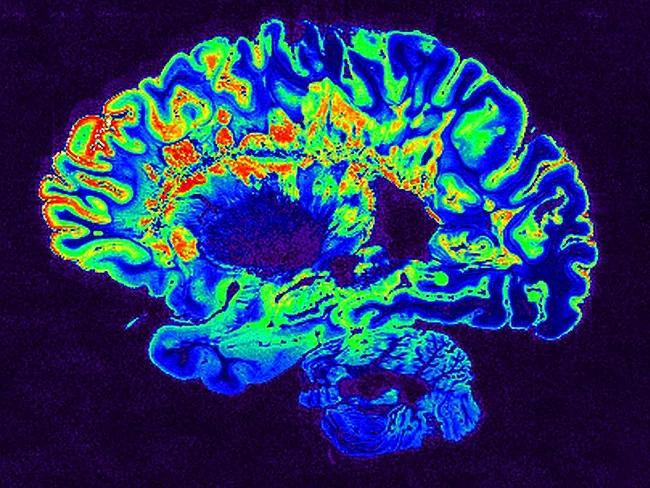
Multiple sclerosis (MS) is and remains “a problem in the immune system” Stephen Sawcer told BioWorld. As in other autoimmune diseases, a faulty immune system attacks otherwise healthy tissues that it should be leaving alone. In the case of MS, the tissue in question is oligodendrocytes. And a study published online in Nature on June 28, 2023, suggests that while MS’ beginnings are autoimmune, the path it takes in an individual patient is determined in part by how well the brain can cope with the autoimmune attack.
Astrazeneca AB has synthesized pyraolo-and triazolo-azinone compounds acting as receptor-interacting serine/threonine-protein kinase 1 (RIPK1; RIP-1) inhibitors reported to be useful for the treatment of neurological disorders.
Benitec Biopharma Inc. has received FDA clearance of its IND application for BB-301, its silence and replace gene therapy for the treatment of oculopharyngeal muscular dystrophy (OPMD)-related dysphagia.
Convelo Therapeutics Inc. and Genentech Inc. have disclosed 3-β-hydroxysteroid-δ(8),δ(7)-isomerase (EBP) inhibitors reported to be useful for the treatment of multiple sclerosis, encephalomyelitis, optic neuritis, schizophrenia, amyotrophic lateral sclerosis, Alzheimer’s disease, Parkinson’s disease and Huntington’s disease, among others.
Researchers at Centre National de la Recherche Scientifique, Université De Picardie Jules Verne and Université Paris-Est Créteil Val de Marne (UPEC) have identified lipid anionic oligosaccharides acting as microtubule-associated protein tau (PHF-tau; MAPT) aggregation inhibitors reported to be useful for the treatment of Alzheimer’s disease.
University of Western Australia has disclosed 3,4-methylenedioxymethamphetamine (MDMA) analogues acting as dopamine transporter (DAT) and/or norepinephrine transporter (NET) and/or serotonin transporter (SERT) modulators reported to be useful for the treatment of neurological and psychiatric disorders.
Remix Therapeutics has disclosed compounds acting as RNA splicing modulators reported to be useful for the treatment of cancer and Huntington’s disease.
Researchers from Murdoch Children’s Research Institute presented data from a study that linked recessive variants in the SART3 gene with a novel neurodevelopmental syndrome.
Several Lario Therapeutics Ltd. patents describe new voltage-dependent R-type calcium channel subunit α-1E (Cav2.3) antagonists reported to be useful for the treatment of neurodegeneration, epilepsy, Parkinson’s disease, cerebral vasospasm, pain, CDKL5 deficiency, endocrine and neurodevelopmental disorders, among others.
 RSS
RSS