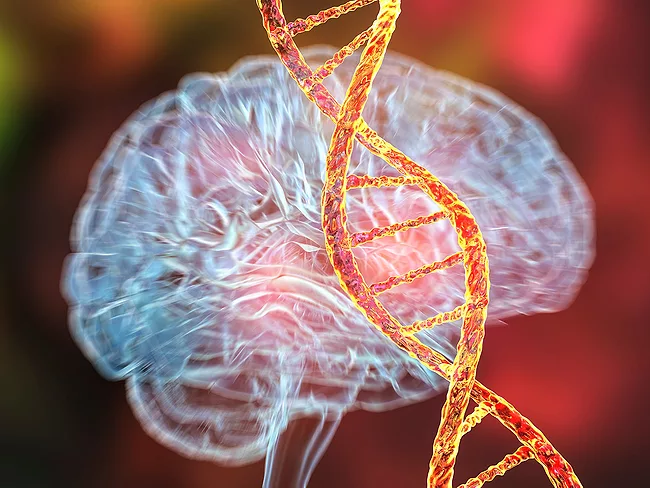
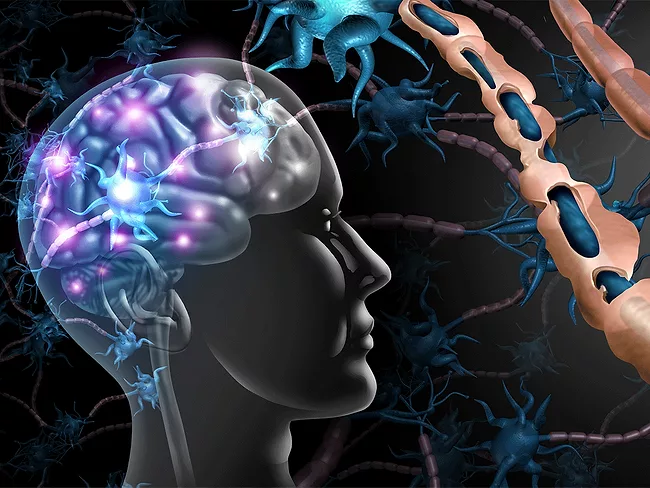
Researchers from the University of Lausanne and affiliated organizations recently presented data from studies that aimed to identify novel genes associated with neurodevelopmental disease (NDD).
Edgewise Therapeutics Inc. has divulged pyridazinone compounds acting as myosin-2 (MYH2) (ATPase activity) inhibitors reported to be useful for the treatment of Duchenne muscular dystrophy, amyotrophic lateral sclerosis, encephalitis, spinal cord injury, phenylketonuria, cerebral palsy, Alzheimer’s disease and Parkinson’s disease, among others.
La Crosse virus (LACV) is one of the most common causes of arboviral encephalitis in children, which causes CNS damage owing to infection in children, but not adults. LACV pathology indicates significant breakdown of the blood-brain barrier, which is strengthened during developmental transition from child to adult.
The WW domain binding protein 4 (WBP4) is part of the early spliceosomal complex, and it has been previously shown to enhance splicing both in vitro and in vivo, as well as to regulate alternative splicing. At the ESHG meeting, researchers from Hebrew University of Jerusalem presented data from a study that aimed to delineate WBP4 in the context of human pathologies.
The phenotypic variety of spinocerebellar ataxias (SCAs) not caused by CAG repeat expansion (polyglutamine SCA) is greater than expected. A collaboration directed by scientists of the Paris Brain Institute described seven variants of this disorder in 756 individuals, observing that age at onset and progression by gene and variant can occur from childhood to late adulthood with very different forms of the disease.
Tetra Pharm Technologies Aps has announced promising results from preclinical testing of its pain-relieving drug, TPT-0301, which targets the endocannabinoid system.
Pipeline Therapeutics Inc. has received FDA clearance to initiate a phase I trial of PIPE-791 in healthy volunteers, with dosing expected to begin in the second half of this year. PIPE-791 is advancing toward clinical development for remyelination and neuroinflammation, with a leading indication of multiple sclerosis (MS).
 RSS
RSS