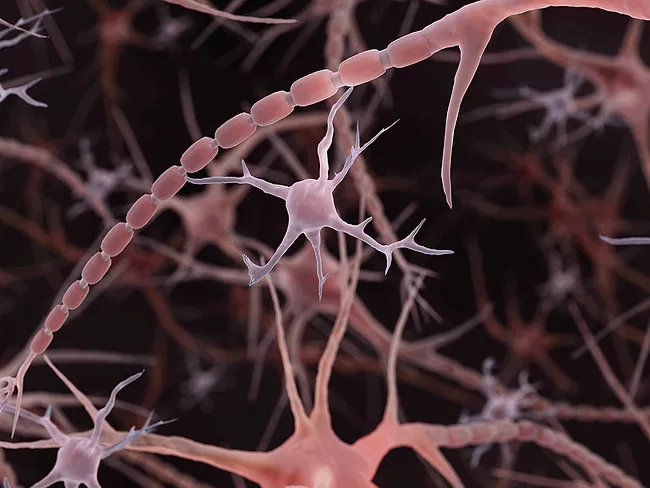
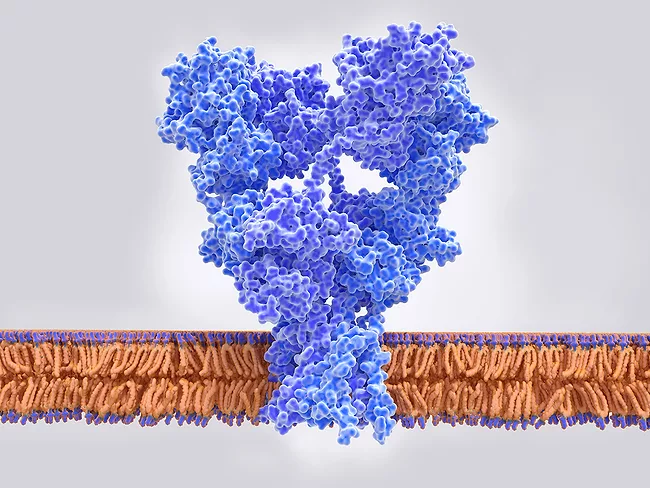
A group of German and French scientists has identified 15 genetic variants in a proteasome protein complex that are related to neurodevelopmental delay and also alter interferon type 1-mediated immune signaling. The finding contributes to the diagnosis of this neurological disorder and gives an opportunity for the development of therapies in patients who have these mutations.
With overuse of opioids – the standard of care for many chronic pain cases – becoming something of an epidemic in the U.S., the availability of an alternative, non-opioid analgesic is a big draw. Established in 2021, Adolore Biotherapeutics Inc. is one company that could provide the answer, with its locally and long-acting gene therapies potentially providing a breakthrough that “knocks everybody’s socks off.”
Charcot-Marie-Tooth disease (CMT) is a group of neuropathies characterized by sensory and motor dysfunction that progress with aging. It is considered that about 60% of the axonal forms of the disease, such as CMT2, remain genetically undiagnosed.
While microglia constitute the immune cells of the brain, their potential role in the early development of neuronal circuitry is poorly understood. Investigators at the Karolinska Institutet, together with eight other institutions, characterized an anatomically distinct microglial cell population identified as expressing the arginase-1 (ARG1) enzyme.
Celros Biotech Co. Ltd. has synthesized cytochrome b-245 heavy chain (CYBB; NOX2) and NADPH oxidase 4 (NOX4) inhibitors reported to be useful for the treatment of atherosclerosis, Alzheimer’s disease, cirrhosis, diabetes, cancer, glomerulonephritis, psoriasis and rheumatoid arthritis, among others.
Researchers have discovered that a subunit of the ubiquitin-proteasome system acted independently of the proteasome machinery to regulate AMPA receptors, a type of glutamate receptor, at multiple steps of their life cycle. Published in the May 26, 2023, issue of Science, the findings could point to ways to target AMPA receptors. They are responsible for the majority of excitatory transmission in the central nervous system, and current drugs seeking to influence AMPA-based transmission are “good but they are not great,” Erin Schuman told BioWorld. “This regulatory particle is watching the glutamate receptor at each step.” Schuman is the director of the Max Planck Institute for Brain Research and the paper’s senior author.
Medshine Discovery Inc. has divulged azaspiro compounds acting as leucine-rich repeat kinase 2 (LRRK2; dardarin) inhibitors reported to be useful for the treatment of Parkinson’s disease.
Amplo Biotechnology Inc. has been awarded a fast track phase I/II Small Business Technology Transfer (STTR) grant from the National Institute of Arthritis and Musculoskeletal and Skin Diseases (NIAMS) of the National Institutes of Health (NIH) to fund further development of AMP-201, an AAV-ColQ gene therapy designed to address congenital myasthenic syndrome caused by collagen Q (ColQ) deficiency.

 RSS
RSS