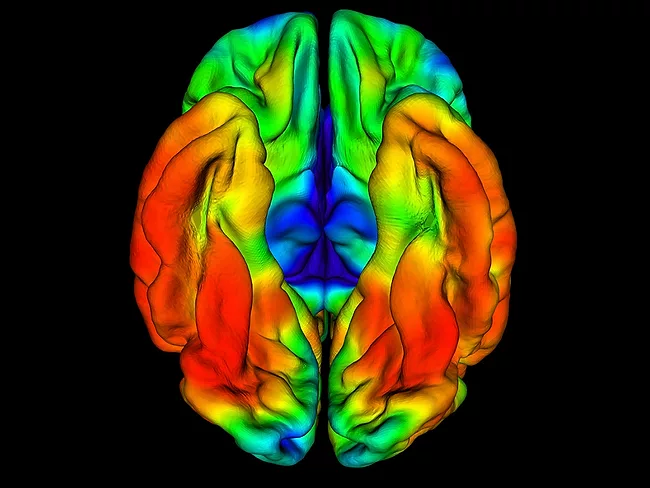
Implanting brain organoids into the brains of mice may allow the more realistic study of microglial cells during both healthy and disease states. This is what researchers from the Salk Institute and their collaborators found in a study published on May 11, 2023, in Cell.
Investigators have identified a second individual who remained cognitively normal into his late 60s despite having the PSEN1 E280A mutation, which causes a familial version of early-onset Alzheimer’s disease (AD). The likely source of protection, a mutation in a gene called Reelin, is distinct from the protective mechanism identified in the first case of an individual who was protected from the effects of PSEN1 E280A. That case was reported in 2019.
Angelini Pharma SpA and JCR Pharmaceuticals Co. Ltd. have entered into an exclusive global development and commercialization agreement for the development of novel biologic therapies that applies J-Brain Cargo blood-brain barrier penetrating technology for the treatment of epilepsy, applying undisclosed effectors.
A new mouse model of an inherited form of dystonia has shown the spinal cord is the driver of the condition, overturning previous understanding that the movement disorder is caused by disruption of neural circuits in the brain. The connection was demonstrated by selectively deleting torsin family 1 member A (TOR1A), the gene that causes dystonia, in the neurons of the spinal cord only.
The aqueous supernatants resulting from ultracentrifugation of brain samples from patients with Alzheimer’s disease (AD) contain aggregates so far described as soluble oligomers of amyloid-β protein (Aβ), which are responsible for the neurotoxicity underlying AD and thus considered targets to watch in this devastating condition. Now, a group of scientists from Harvard Medical School have determined that these aggregates are in fact insoluble diffusible fibrils with the same atomic structure as plaque fibrils.
Compounds reported to be useful for the treatment of myotonic 1, myotonic 2 and muscular dystrophy have been described in a City University of New York patent.
Replacing the damaged cell population in neurodegenerative diseases provides a treatment approach. However, interventions that protect host cells could offer new treatment possibilities for neurodegenerative diseases, such as Parkinson’s and Alzheimer’s diseases and amyotrophic lateral sclerosis (ALS).
New optically active benzodiazepines have been reported in a recent Kyonggi University patent as potentially useful for the treatment of diabetic neuropathy.
 RSS
RSS