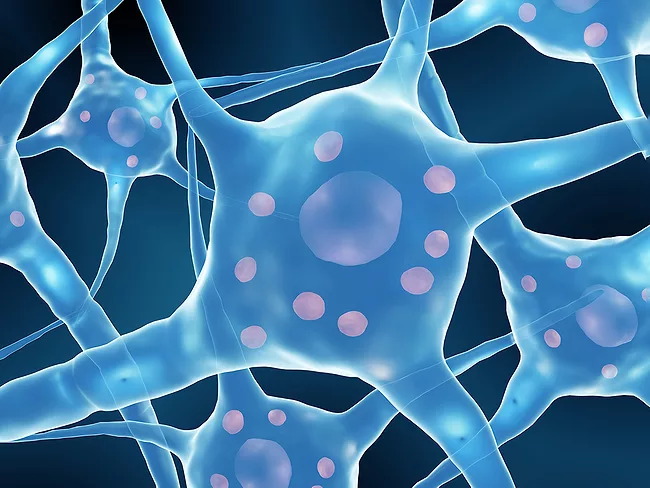
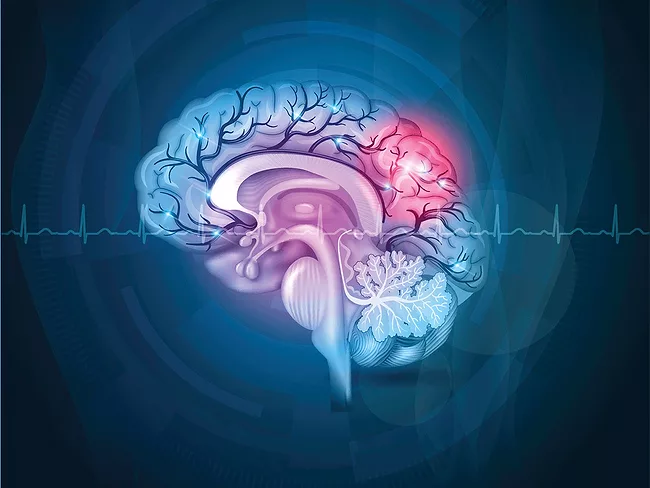
A new study has uncovered a potential link between RNA regulation and the development of neurodegenerative diseases, such as Parkinson’s disease and dementia. This work, conducted by researchers at the University of Nottingham, used a combination of microscopy and machine learning techniques to examine the role of N6-methyladenosine modification of RNA (m6A) in the human brain.
Genentech Inc. has identified sodium channel protein type 9 subunit α (Nav1.7) channel blockers reported to be useful for the treatment of pain, depression, pruritus, cardiovascular, respiratory and psychiatric disorders.
Enveric Biosciences Inc. has announced new research detailing the first-ever isolation of a novel indolethylamine N-methyltransferase from the cane toad (Rhinella marina) and the successful development of a bioproduction platform for the isolation and pharmacological screening of novel indolethylamines.
Vesigen Therapeutics Inc. has been awarded a grant by the Friedreich’s Ataxia Research Alliance (FARA) to develop a targeted genome editing therapeutic strategy for Friedreich’s ataxia.
High levels of bilirubin exacerbated damage to neurons in the brain caused by a stroke by binding to the TRPM2 channel, which helped regulate cell death among other processes. The research, led by Shanghai Jiao Tong University School of Medicine and the University of Toronto and published March 14, 2023, in Neuron, showed that blocking the binding site for bilirubin in a mouse model led to improvements in neurotoxicity suggesting some potential for the development of new stroke therapeutics.
Switch Therapeutics Inc. has announced its launch following US$52 million of financing. The company was founded on the premise of a new type of RNA medicine that integrates nucleic acid nanotechnology and RNA interference (RNAi) science.
Teitur Trophics ApS, a spinout from Aarhus University seeded by the Bioinnovation Institute in 2020, has completed a €28 million (US$30.1 million) series A financing. Teitur has developed a platform of first-in-class cyclic peptides with a novel mechanism that preserves neuronal function, and these peptides have the potential to treat a broad range of neurodegenerative diseases.
The Hallmarks of Cancer are a core set of processes that are broadly deregulated in many types of cancer. Douglas Hanahan and Douglas Weinberg first introduced the concept, with six candidate hallmarks, in 2000. Since then, two additional hallmarks have been added. And the hallmarks have also been complemented by the description of enabling characteristics, which are prerequisites necessary for cells to acquire the hallmarks themselves.
 RSS
RSS