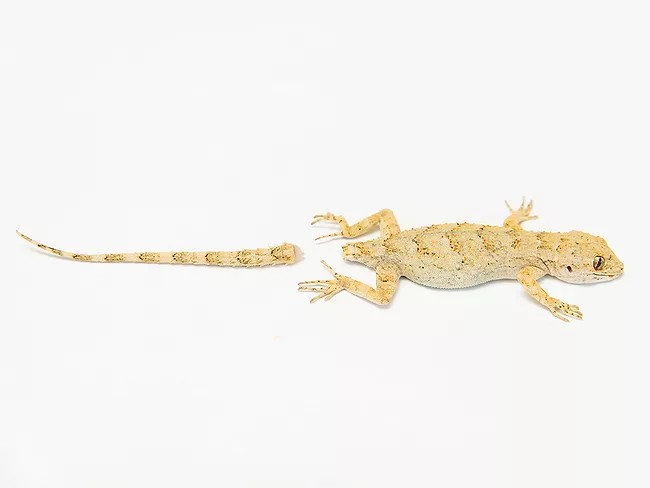
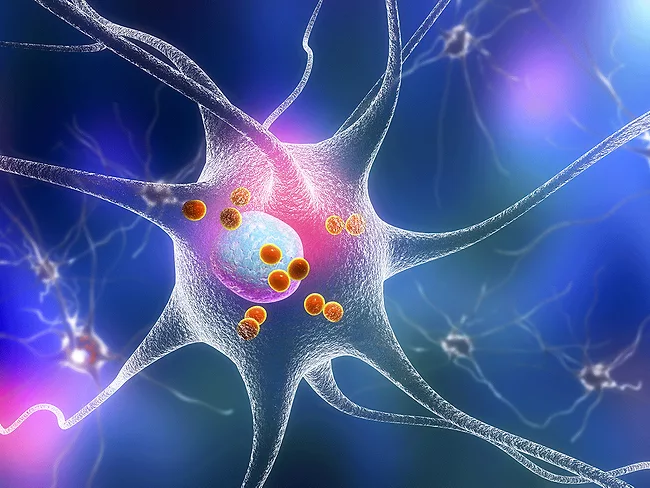
Losing the tail to survive. In neurons, the lizard’s strategy, losing the axon to be safe, could prevent cell death. Scientists at Harvard Medical School have observed that certain toxins activated axon loss to prevent damage and survive. This mechanism was mediated by the Gasdermin-E (GSDME) protein, which destroyed the mitochondria in the axons and eliminated the affected nerve projection before the cell died. The inhibition of GSDME prevented the loss of neurons and delayed the progression of amyotrophic lateral sclerosis (ALS) in mice models.
Mindset Pharma Inc. has patented indole derivatives acting as 5-HT2A receptor agonists and reported to be useful for the treatment of neurological disorders and psychosis.
Olatec Therapeutics LLC has been awarded a research grant by The Michael J. Fox Foundation for Parkinson’s Research (MJFF) to evaluate its lead molecule, dapansutrile (OLT-1177), in preclinical Parkinson’s disease progression models.
Oryzon Genomics SA has nominated ORY-4001, a selective histone deacetylase 6 (HDAC6) inhibitor, as a clinical development candidate for the treatment of certain neurological diseases, including Charcot-Marie-Tooth (CMT), amyotrophic lateral sclerosis (ALS) and others.
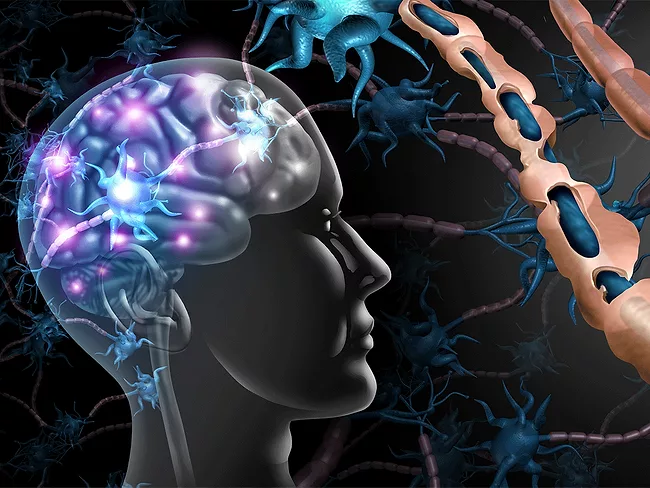
Tumor necrosis factor (TNF) has been implicated in the pathogenesis of several neurological disorders, such as multiple sclerosis (MS). Its transmembrane form activates the type II tumor necrosis factor receptor (TNFR2), functioning via cell-to-cell contact. In contrast, its soluble form activates TNFR1; studies in animal models have evidenced TNFR1 to activate neurotoxic pathways, while TNFR2 activation pathways may have protective effects within the central nervous system due to activation of reparative mechanisms.
The 16p11.2 duplication is a copy number variant that has been previously identified to confer risk for diverse neuropsychiatric disorders, including autism spectrum disorder, schizophrenia, intellectual disability and epilepsy. Researchers from Northwestern University Feinberg School of Medicine aimed to assess disease networks associated with this broad phenotypic spectrum.
Scientists from Washington University in St. Louis have described a role for T cells in the neurodegeneration associated with the tau protein. Tau accumulation in the brain activated microglia. This signal triggered the activation of T cells in other parts of the body, attracting them to the brain. Once there, the interaction of these T cells and microglia produced the neuronal damage seen in Alzheimer’s disease and other tauopathies.
The U.S. Recover program, set up in July 2022 to identify the causes of long COVID, find biomarkers of disease and discover new therapeutic targets, is now preparing to move to its next phase and begin testing potential treatments in a multi-arm, randomized, placebo-controlled trial. But with 200 different symptoms, and limited understanding of relevant system-level pathological targets, there are significant hurdles to be overcome.
Massachusetts General Hospital and University of California Oakland have described 15-lipoxygenase (LOX) inhibitors reported to be useful for the treatment of stroke, among others.
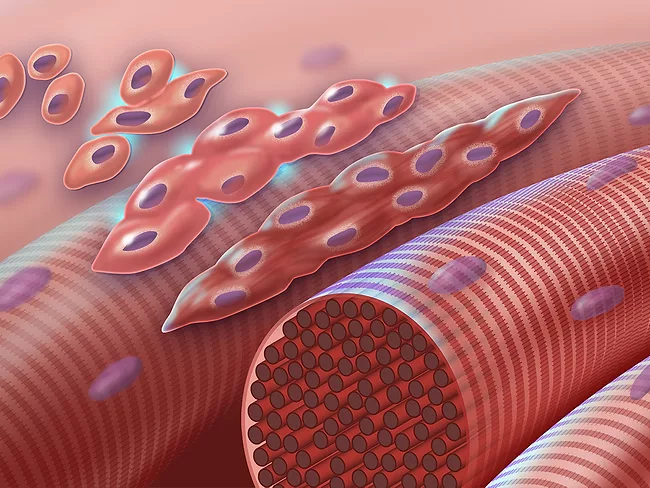
Researchers have linked Duchenne muscular dystrophy (DMD) to a loss of regenerative capacity of muscle stem cells. The findings, which were published in the March 1, 2023, issue of Science Translational Medicine, suggest that boosting the regenerative capacity of muscle stem cells could delay or perhaps even prevent the progression of DMD. DMD is “an early and horrible disease,” senior author Frederic Relaix, who is the director of a research team studying the biology of the neuromuscular system at the Mondor Institute for Biomedical Research told BioWorld.
 RSS
RSS