NMD Pharma ApS has described chloride channel protein 1 (CLCN1; ClC-1) channel blockers reported to be useful for the treatment of myasthenia gravis, Lambert-Eaton syndrome, critical illness myopathy, amyotrophic lateral sclerosis, spinal muscular atrophy, Guillain-Barré syndrome, post-poliomyelitic and chronic fatigue syndrome, among others.
At the Congress of the European Academy of Neurology, researchers from Dianthus Therapeutics Inc. presented preclinical data on DNTH-103, a monoclonal antibody engineered to selectively target the active form of complement C1s.
Entheogenix Biosciences Inc. has described 5-HT2A receptor agonists reported to be useful for the treatment of post-traumatic stress, depression and anxiety disorders.
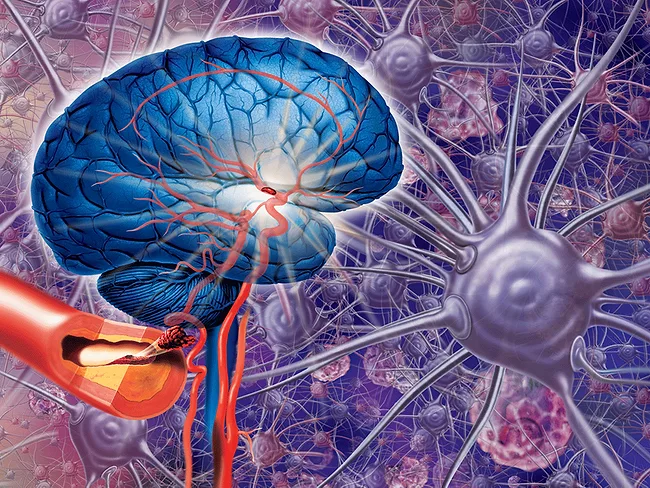
Glycoprotein VI (GPVI) is a platelet collagen receptor involved in platelet activation and an emerging target for treating thrombotic disorders such as ischemic stroke. Data have been presented by University of Würzburg scientists regarding a humanized anti-GPVI Fab antibody, EMA-601, with unprecedented potency in vitro and in vivo.
Alzheimer’s disease (AD) is a neurodegenerative condition in which amyloid plaques and neurofibrillary tangles accumulate in the brain. In addition to genetic factors, DNA damage and epigenetic alterations also play a key role in the pathogenesis and progression of this disease, altering gene expression, the functioning and maintenance of brain cells. DNA double-strand breaks (DSBs) and chromatin accessibility are two hallmarks of AD whose study could reveal new ways of approaching this disease.
Senya Pharmaceuticals Inc. has described NAD(+) hydrolase SARM1 (SAMD2; MyD88-5) inhibitors reported to be useful for the treatment of neurological disorders.
Spur Therapeutics Ltd., formerly Freeline Therapeutics, has announced new data from its GBA1 Parkinson’s disease research program. In a subset of Parkinson’s disease patients with mutations in the GBA1 gene, such mutations lead to a deficiency of the glucocerebrosidase (GCase) enzyme and the accumulation of harmful substrates.
Nurexone Biologic Inc. has announced a preclinical study to explore the potential of the company’s exosome-based therapies for regenerating damaged optic nerves. The study is led by principal investigators from the Sheba Medical Center Eye Institute.
Kbio Inc. has obtained IND clearance from the FDA for EV68-228-N, a human monoclonal IgG1 against the capsid of enterovirus D68 (EV-D68) designed as an intravenous therapeutic for the treatment of acute flaccid myelitis.
“Do dreams predict the future?” Abidemi Otaiku asked his audience at the 10th Congress of the European Academy of Neurology, currently being held in Helsinki. Most audience members, being hard-boiled scientists, did not believe they did. But Otaiku, whose work won the award for best clinical abstract at the conference, presented data indicating that in some cases, they can.