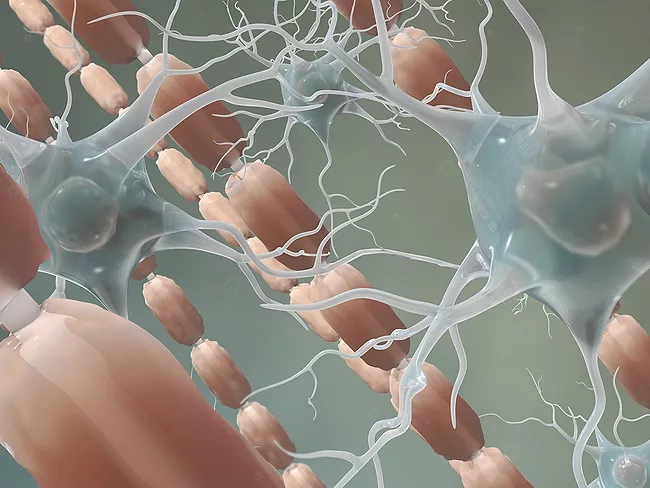
Alzheimer’s disease (AD) has a new candidate for its treatment. Nasal anti-CD3 monoclonal antibody (MAb) reduced microglia activation in the brain of mice without its effect being dependent on the β-amyloid (Aβ) deposits characteristic of this neurodegenerative disorder. “We have done many basic studies in the laboratory on microglia. Microglia activation occurs in many neurologic diseases. One of them is multiple sclerosis (MS). And it also occurs in AD,” senior author Howard Weiner told BioWorld.
Artelo Biosciences Inc. has completed a pre-IND meeting with the FDA regarding the manufacturing, preclinical and clinical development plan for ART-26.12.
Proteros Biostructures GmbH has established a new collaboration with Orion Corp. The two companies are engaging in a joint multitarget collaboration for early-stage drug discovery projects in oncology and pain using Proteros’ discovery platform, and now have decided to combine their expertise to assemble a chemically diverse small-molecule library collection. The nonexclusive agreement enables Proteros to exclusively offer access to this high throughput screening (HTS) library to all its clients.
In multiple sclerosis (MS), macrophages and microglia play a dual role that could be used to treat this neurodegenerative disease. These cells promote inflammation that demyelinates neurons but also sweep away the debris of damaged myelin and produce neurotrophic factors that would allow its restoration. According to a group of scientists from the University of Hasselt in Belgium, damage or repair depends on a double switch that combines the action of two enzymes, one that desaturates and another that elongates fatty acids. By reducing the levels of these enzymes, phagocytic cells would replenish the myelin instead of engulfing it.
Pepgen Inc. has received a no objection letter from Health Canada for its clinical trial application (CTA) to initiate a phase I study of PGN-EDODM1 in patients with myotonic dystrophy type 1 (DM1). Initial data from the study are expected next year.
The FDA has awarded orphan drug designation to Healx Ltd.’s HLX-1502 for the treatment of neurofibromatosis type 1 (NF1). HLX-1502, discovered through the company’s proprietary artificial intelligence (AI) drug discovery platform, has a first-in-class mechanism and supporting data that indicate the potential for a good safety profile.
Tetra Pharm Technologies Aps has completed preclinical testing and announced promising in vivo study results with its candidate compound, TPT-0301, which targets the endocannabinoid system.
A large-scale genetic study found 26 risk loci for epilepsy, a chronic brain disease with multiple forms, not all of them heritable. The work, by more than 300 authors from the International League Against Epilepsy (ILAE), investigated seven different subtypes of this neurological condition. “There are over 100 genes that we know can harbor mutations that cause epilepsy,” the co-corresponding author Gianpiero Cavalleri told BioWorld. These genes have rare forms that cause that epilepsy. However, “this particular GWAS is focused more on common forms of epilepsy,” he said.
 RSS
RSS