Atamyo Therapeutics SAS has filed a clinical trial application (CTA) in Europe for ATA-200, its gene therapy targeting γ-sarcoglycan (SGCG)-related limb-girdle muscular dystrophy type 2C/R5 (LGMD-R5).
Irisin is a myokine derived from fibronectin type III domain containing 5 (FNDC5) released into the circulation during physical exercise. It is known that FNDC5/irisin stimulates brain-derived neurotrophic factor (BDNF) expression in the hippocampus and also that Alzheimer’s disease (AD) models and brains and cerebrospinal fluid of AD patients have low levels of irisin.
Lapix Therapeutics Inc. has received IND clearance from the FDA to initiate a phase I trial of its first-in-class, immune tolerance restoration small molecule, LPX-TI641, for the treatment of multiple sclerosis (MS).
Researchers at Ontario Institute for Cancer Research and Sunnybrook Research Institute have described isoquinoline derivatives acting as apoptosis regulator BAX and/or BAK inhibitors reported to be useful for the treatment of neurodegenerative disorders.
Insusense ApS has identified sortilin (NT3; Gp95) antagonists reported to be useful for the treatment of neurodegeneration, cancer, pain, diabetes, diabetic retinopathy, glaucoma, hearing loss and cardiovascular disorders, among others.
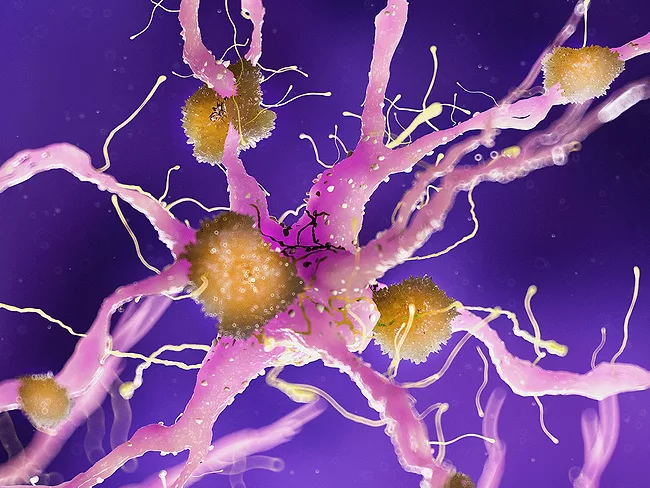
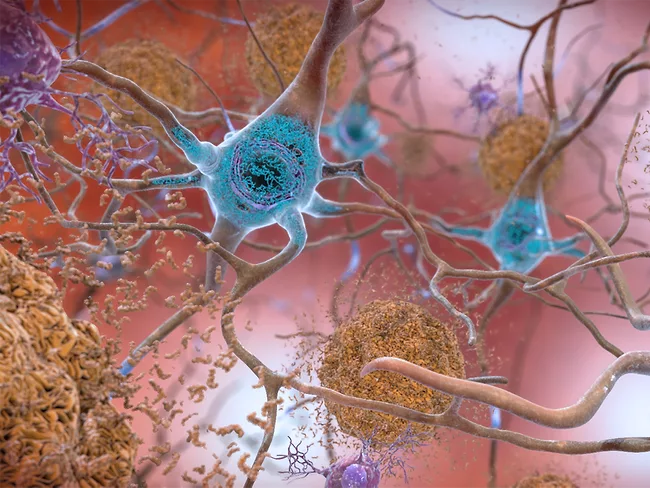
By creating a new mouse model of Alzheimer’s disease that better recapitulated how the disease plays out in humans, investigators at KU Leuven have gained new insights into how amyloid plaques, tau tangles and neuronal death are related at the molecular level.
Shanghai SIMR Biotech Co. Ltd. has developed imidazopyridazine derivatives acting as GABA-A modulators and reported to be useful for the treatment of pain, Alzheimer’s disease, multi-infarct dementia, epilepsy, pruritus and stroke.
Eisai R&D Management Co. Ltd., National Institutes for Quantum and Radiological Science and Technology (QST), Ono Pharmaceutical Co. Ltd. and Takeda Pharmaceutical Co. Ltd. have patented new radiolabeled compounds targeting α-synuclein (α-Syn, SNCA) and acting as optical imaging agents for the diagnosis of Lewy body dementia (DLB), multiple system atrophy and Parkinson’s disease.
Researchers from Binzhou Medical University and affiliated organizations have detailed the synthesis and optimization of a new series of 1,4,5,6-tetrahydrobenzo [2,3]oxepino[4,5-d]pyrimidin-2-amine derivatives, which resulted in the identification of compound [I] as the lead candidate with potent anti-neuroinflammatory activity in vitro.
The FDA has cleared an IND application for ADEL-Y01, being jointly developed by Oscotec Inc. and Adel Inc., for the treatment of Alzheimer’s disease. A phase Ia/b study will include healthy volunteers, and participants with mild cognitive impairment due to Alzheimer’s disease or mild Alzheimer’s disease.
 RSS
RSS