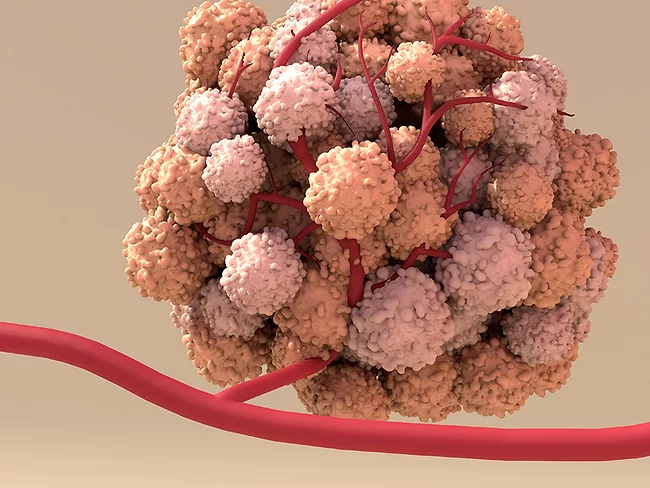
In recent years, targeting c-Met/HGF has emerged as a relevant strategy in cancer treatment, and several compounds with this mechanism of action have reached the market. Researchers from the First Affiliated Hospital of Wenzhou Medical College and colleagues reported on the design and characterization of a novel series of 4-(4-amino phenoxy) picolinamide derivatives that led to the identification of [I] as the lead compound.
Researchers from Adiso Therapeutics Inc. have reported the discovery of a novel small-molecule dual NLRP1 and NLRP3 inflammasome inhibitor, ADS-032, being developed for the treatment of inflammatory diseases. Screening of an in-house bioactive compound library led to the discovery of ADS-032, a sulfonylurea compound.
Biopolar Hongye (Nantong) Pharmaceutical Co. Ltd. and Hangzhou Hertz Pharmaceutical Co. Ltd. have described apoptosis regulator Bcl-2 wild-type, Bcl-2 (D103Y mutant) and/or Bcl-2 (G101V mutant) inhibitors reported to be useful for the treatment of cancer, infections, immunological and inflammatory disorders.
Oncobix Co. Ltd. has divulged novel heterocyclic-substituted pyrimidine derivatives acting as ALK tyrosine kinase receptor inhibitors reported to be useful for the treatment of cancer.
Shanghai Visonpharma Co. Ltd. has identified pyridine[4,3-d]pyrimidine compounds acting as Toll-Like receptor 7 (TLR7) and TLR8 agonists reported to be useful for the treatment of cancer and viral infection.
The U.S. Department of Health and Human Services has synthesized cannabinoid CB1 receptor antagonists reported to be useful for the treatment of cancer, metabolic, psychiatric, neurological, pain, gastrointestinal, inflammation, and substance abuse and dependence.
Nanjing Zenshine Pharmaceuticals Co. Ltd. has disclosed fused heterocyclic compounds acting as phosphatidylinositol 3-kinase α (PI3Kα) (H1047R mutant) inhibitors reported to be useful for the treatment of cancer.
Actinium-226 (226Ac) has been previously proposed as a potential surrogate isotope for the development of 225Ac radiopharmaceuticals for targeted alpha therapy (TAT). The benefits of 226Ac include its theoretically superior therapeutic potency as well as a short half-life of its progeny, expected to minimize the toxicities. Researchers from TRIUMF, University of British Columbia and affiliated organizations recently reported the discovery of a novel matched 225/226Ac-radiopharmaceutical pair, [225Ac]crown-TATE and [226Ac]crown-TATE, and conducted studies aiming to compare the radiation dosimetry of these candidates.
280Bio Inc. has received FDA approval of its IND application for the KRAS inhibitor YL-17231. 280Bio will start phase I enrollment in the U.S. in the fourth quarter of this year for the treatment of advanced cancer patients with RAS mutations in their tumors.
Ichnos Sciences Inc.’s first-in-class T-cell engaging trispecific antibody, ISB-2001, has been granted orphan drug designation by the FDA for the treatment of multiple myeloma.
 RSS
RSS