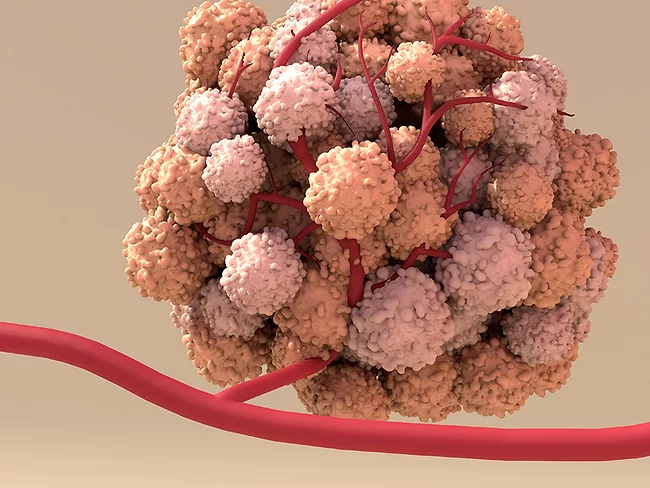
Nanjing Zenshine Pharmaceuticals Co. Ltd. has disclosed fused heterocyclic compounds acting as phosphatidylinositol 3-kinase α (PI3Kα) (H1047R mutant) inhibitors reported to be useful for the treatment of cancer.
Actinium-226 (226Ac) has been previously proposed as a potential surrogate isotope for the development of 225Ac radiopharmaceuticals for targeted alpha therapy (TAT). The benefits of 226Ac include its theoretically superior therapeutic potency as well as a short half-life of its progeny, expected to minimize the toxicities. Researchers from TRIUMF, University of British Columbia and affiliated organizations recently reported the discovery of a novel matched 225/226Ac-radiopharmaceutical pair, [225Ac]crown-TATE and [226Ac]crown-TATE, and conducted studies aiming to compare the radiation dosimetry of these candidates.
280Bio Inc. has received FDA approval of its IND application for the KRAS inhibitor YL-17231. 280Bio will start phase I enrollment in the U.S. in the fourth quarter of this year for the treatment of advanced cancer patients with RAS mutations in their tumors.
Ichnos Sciences Inc.’s first-in-class T-cell engaging trispecific antibody, ISB-2001, has been granted orphan drug designation by the FDA for the treatment of multiple myeloma.
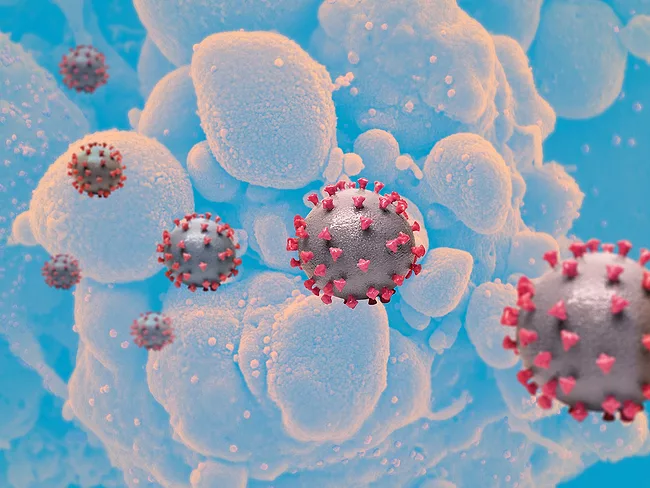
The search for novel therapies that complement vaccine-induced immune protection against SARS-CoV-2 continues. In previous work, researchers at QIMR Berghofer Medical Research Institute and collaborators developed a cell-permeable and highly selective peptide called NACE2i, targeting nuclear angiotensin-converting enzyme 2 (ACE2). In particular, NACE2i spans and targets the ACE2 nuclear localization signal motif, successfully inhibiting nuclear translocation of ACE2 and viral replication in human cell lines infected with SARS-CoV-2.
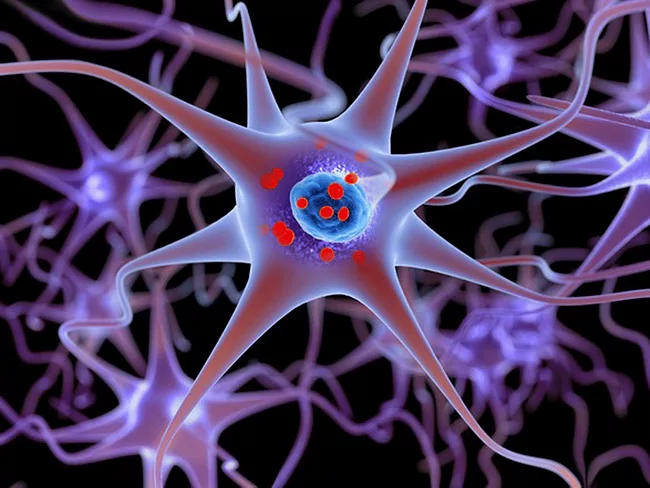
Spinogenix Inc. is opening enrollment in a first-in-human phase I trial of SPG-302 for the treatment of amyotrophic lateral sclerosis (ALS), having received approval from Australia's Human Research Ethics Committee (HREC).
Sensorion SA has submitted a clinical trial application (CTA) for OTOF-GT to the U.K.’s Medicines and Healthcare products Regulatory Agency (MHRA). Sensorion plans to submit the CTA in Europe in the coming weeks.
The loss of the dopaminergic neurons in the substantia nigra and their projections in the putamen cause motor disabilities, which are one of the main hallmarks in patients with Parkinson’s disease (PD).
Researchers from Central Drug Research Institute (CDRI) and Academy of Scientific & Innovative Research (AcSIR) have discovered novel antiplasmodial agents.
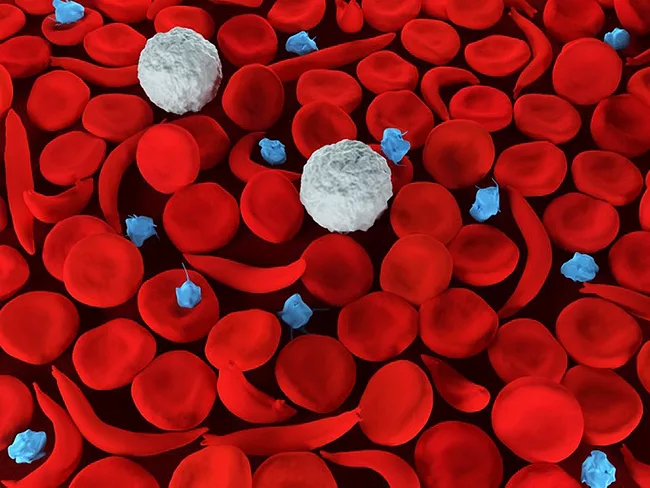
Research led by St. Jude Children’s Research Hospital and Harvard University shows base-editing approaches could be more effective than CRISPR-Cas9 gene-editing approaches for treating conditions such as sickle cell disease and β-thalassemia. Writing in the July 3, 2023, issue of Nature Genetics, the researchers compared three base-editing approaches with two CRISPR-Cas9 approaches to increasing levels of fetal hemoglobin in CD34+ hematopoietic stem and progenitor cells, and found one of the base-editing approaches was the most potent.

 RSS
RSS