Researchers from Gat Therapeutics SL reported preclinical data for GTX-011, a first-in-class anti-inflammatory and antifibrotic drug candidate with properties mediated by the inhibition of the TGF-β pathway.
Monoacylglycerol lipase (MAGL) is a key regulator of the endocannabinoid system (ECS), which has a critical neuromodulatory involvement in numerous functional mechanisms in the CNS. Based on this, MAGL is considered a promising therapeutic target in neuroinflammation and neurodegeneration. Researchers from ETH Zürich and affiliated organizations have recently presented their work on (R)-[18F]YH-134, a novel reversible radiotracer for imaging MAGL in the brain.
Dopamine D3 receptors play a relevant role in the CNS modulating neurological activity, and its dysfunction is linked to disorders such as schizophrenia, drug abuse or Parkinson’s disease. There is a need for blood-brain barrier (BBB)-penetrant D3 receptor radiotracers with high brain uptake to be used for neurological and neuropsychiatric disease diagnosis.
Aurora kinases, a group of serine/threonine protein family, comprise Aurora A, B and C members and are involved in the regulation of cell division and mitosis. Aurora A overexpression correlates with poor prognosis and is considered a therapeutic target for cancer treatments, although the clinical development of Aurora kinase inhibitors has been so far limited by excessive safety issues.
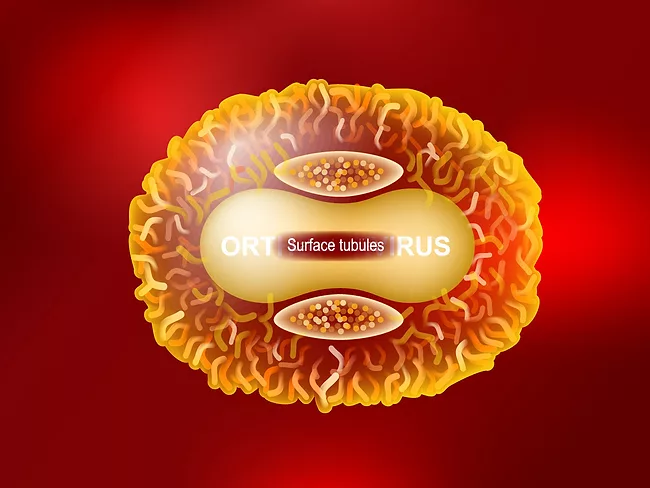
The U.S. Department of Defense (DOD) has awarded Evotec SE’s subsidiary Just-Evotec Biologics Inc. a contract valued up to US$74 million for the rapid development of monoclonal antibody (MAb)-based drug product prototypes targeting orthopoxviruses.
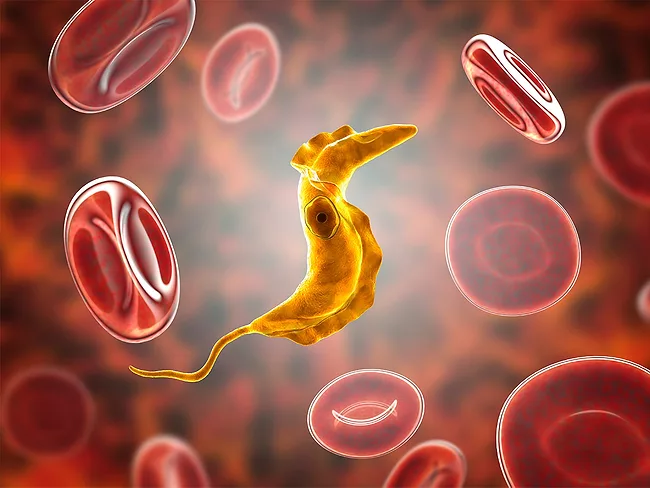
Parasitic diseases caused by trypanosomatid protozoa have long been treated with traditional methods. However, the effectiveness of current treatments for leishmaniasis is limited. Some are toxic, or have been abandoned, such as in the cases of Chagas disease and human African trypanosomiasis (HAT), commonly known as sleeping sickness.
Menin (MEN1)/MLL interaction inhibitors are reported in a Bala Therapeutics Inc. patent as potentially useful for the treatment of cancer and diabetes.
A Cytosite Biopharma Inc. patent describes prodrugs of granzyme B-targeting compounds reported to be useful as granzyme B-imaging agents for the diagnosis of cancer.
Despite the success of CAR T-cell therapies for cancer immunotherapy, only a small percent of patients have a significant clinical response, and it is difficult to distinguish responders from nonresponders at an early stage with current imaging techniques.
 RSS
RSS