Traumatic brain injury (TBI) is an alteration in brain function that occurs when a sudden external force traumatically impacts the brain and is frequent in vehicle accidents or sports injuries. There is no treatment for TBI to date, but recent research has opened a new avenue coming from the neuroprotective role of the liver.
It seems unlikely that American poet and civil rights activist Maya Angelou spent much time thinking about translational research. But two quotes of hers capture the essence of the interplay between bench and bedside: “I did then what I knew how to do. Now that I know better, I do better” and “I’ve learned that I still have a lot to learn.” At the 2023 Annual Congress of the European Academy of Neurology, Mary Reilly described the relationship between bench and bedside as “a continuous circle of translation,” with each cycle beginning with patients and their needs.
Vertex Pharmaceuticals Inc. has developed spirocyclic inhibitors of apolipoprotein L1 (APOL1) reported to be useful for the treatment of pancreatic cancer and focal segmental glomerulosclerosis.
Research at Humanwell Healthcare (Group) Co. Ltd. has led to the identification of interleukin-1 receptor-associated kinase 4 (IRAK-4) inhibitors reported to be useful for the treatment of cancer and autoimmune diseases.
Incyte Corp. has patented bicyclic amines acting as cyclin-dependent kinase 12 (CDK12) inhibitors and reported to be useful for the treatment of cancer.
A Shandong Luye Pharmaceutical Co. Ltd. patent discloses serine/threonine-protein kinase PLK1 (STPK13) inhibitors reported to be useful for the treatment of cancer, neurodegeneration, autoimmune disease and viral infections.
National Taiwan University researchers reported the identification of a novel sorafenib derivative, SCB-24, which has the potential to be a new antimicrobial therapeutic.
Researchers from Virion Therapeutics LLC and The Wistar Institute presented preclinical data for VRON-0200, a novel therapeutic vaccine candidate being developed to achieve functional cure of chronic hepatitis B virus (HBV) infection.
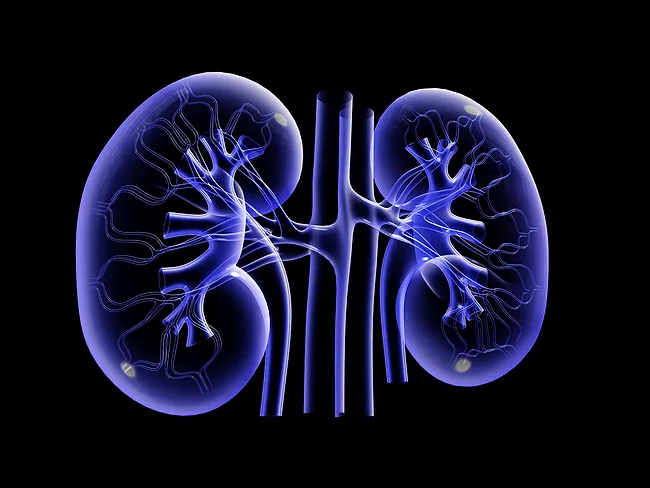
Cholemic nephropathy (CN) is an acute renal dysfunction that occurs after high bile acid (BA) levels provoke epithelial cell damage and tubular obstruction in the kidneys.
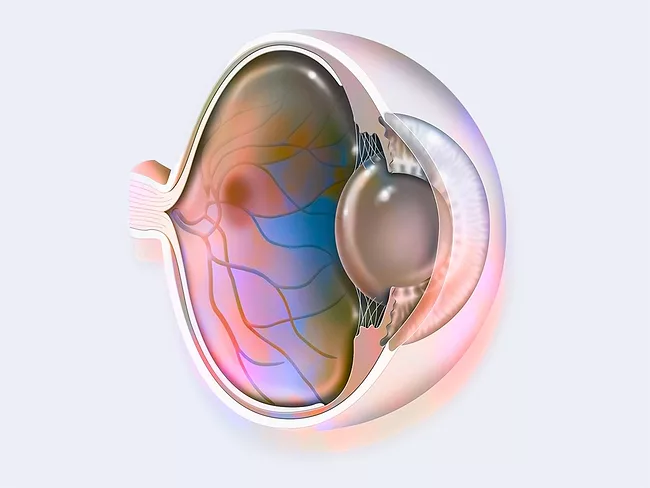
Skyline Therapeutics (Shanghai) Co. Ltd. has received FDA clearance for its IND application for a phase I/IIa trial of SKG-0106, a one-time intravitreally delivered recombinant adeno-associated virus (AAV) gene therapy for the treatment of neovascular age-related macular degeneration (wet AMD). A global phase I trial will be initiated soon.
 RSS
RSS