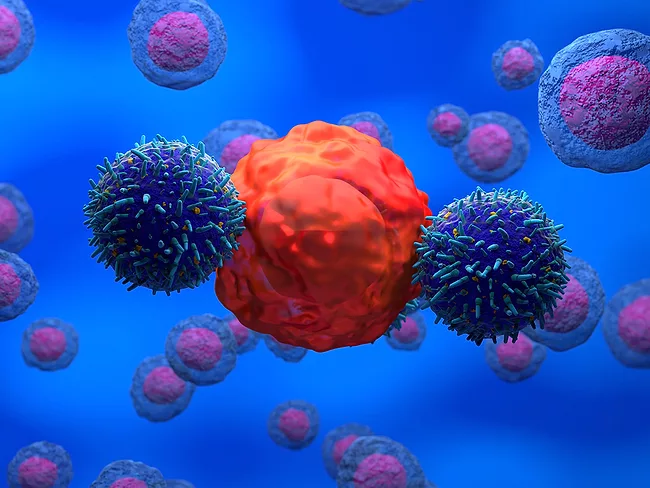
Siren Biotechnology Inc. has obtained IND approval from the FDA enabling the initiation of its first-in-human trial for its lead investigational program SRN-101 in adult patients with recurrent high-grade glioma.
Google Deepmind is shedding light on the dark genome with its latest AI model, which is trained to decipher the 98% of DNA that does not code for proteins. Alphagenome is designed to predict how variants in the regulatory genome exert their effects on the expression of the genes they control.
Di’ao Group Chengdu Pharmaceutical Co. Ltd. has synthesized glucagon-like peptide-1 receptor (GLP-1R) agonists. They are reported to be useful for the treatment of hypertension, diabetes type 1, cerebral infarction, metabolic dysfunction-associated steatohepatitis (MASH; NASH), metabolic syndrome, obesity, arteriosclerosis and Parkinson’s disease, among others.
Boomray Co. Ltd. has disclosed new conjugates comprising a fibroblast activation protein-α (FAPα) inhibitor covalently linked to radiolabeled chelating agents through a linker. They are reported to be useful for the diagnosis and treatment of cancer, inflammation, atherosclerosis, fibrosis, metabolic and neurological disorders.
Evopoint Biosciences Co. Ltd. has patented 2-acylglycerol O-acyltransferase 2 (MGAT2, MOGAT2) inhibitors. They are described as potentially useful for the treatment of obesity, metabolic syndrome, hyperlipidemia, hypertriglyceridemia, diabetes and arteriosclerosis.
Sunshine Lake Pharma Co. Ltd. has divulged heterocyclic fused ring compounds acting as pyruvate kinase PKLR activators potentially useful for the treatment of anemia, abetalipoproteinemia, hemolysis, hereditary spherocytosis, sickle cell disease and thalassemia.
Janssen Pharmaceutica NV has identified compounds targeting TAR DNA-binding protein 43 (TARDBP; TDP-43) acting as positron emission tomography (PET) imaging agents. They are designed for use in the diagnosis of neurological disorders.
Voltage-gated sodium channels, particularly Nav1.7, are highly expressed in peripheral sensory neurons and are crucial for pain signal conduction and signal transmission in the spinal dorsal horn. Because of their role in triggering pain, these channels are considered critical targets for analgesics. Systemic inhibition of Nav1.7 has been shown to abolish pain perception.
The serine/threonine kinase glycogen synthase kinase-3β (GSK-3β) plays a multifunctional role through its involvement in multiple signaling pathways. Because of its relevant role in Alzheimer’s disease (AD) pathogenesis, regulating GSK-3β activity has been proposed as a potential approach to target AD-related pathology.
Despite the successful application of adoptive T-cell transfer with chimeric antigen receptor (CAR)-engineered T cells for the treatment of various hematologic malignancies, several other hematologic disorders, such as BCR::ABL1-negative myeloproliferative neoplasms (MPNs), still lack effective treatment options.
 RSS
RSS