Researchers have developed an algorithm that was able to create functional enzymes from scratch after being trained with the amino acid sequences of existing enzymes in the same class. Researchers from the University of California at San Francisco described their method online in Nature Biotechnology on Jan. 26, 2023. The method, which its creators have named Progen, can generate “protein sequences with a predictable function across large protein families,” according to the authors.
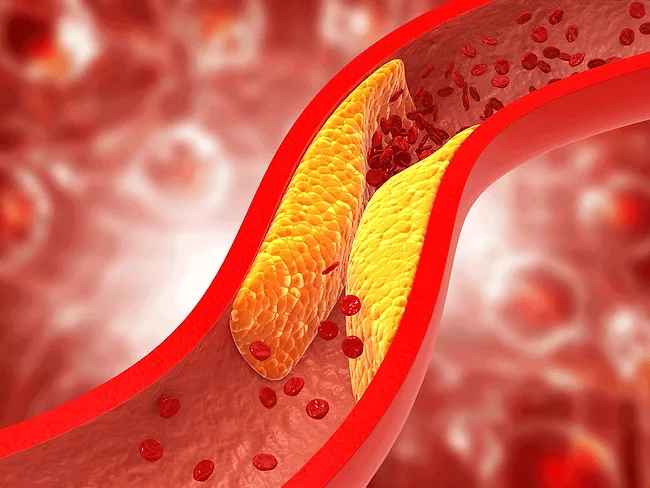
The combination of two sequencing techniques has unveiled features of a subpopulation of cells that could be producing plaques in atherosclerosis. This process is associated with an autoimmune component driven by CD4+ T cells, according to a study from researchers at Leiden University.
“I think that we can clearly say now that atherosclerosis is a very clear autoimmune component. It is a multifactorial disease, a combination of genes, and lifestyle, but also inflammation and the immune system,” Ilze Bot and Bram Slütter, associate professors at the Division of Biotherapeutics of Leiden University, told BioWorld.
Alphamab (Jiangsu) Biopharmaceuticals Co. Ltd. has identified new antibody-drug conjugate (ADC) comprising bispecific antibodies targeting HER2 covalently bound to cytotoxic drugs through a linker reported to be useful for the treatment of cancer.
Hinova Pharmaceuticals Inc. has presented proteolysis targeting chimera (PROTAC) compounds comprising E3 ubiquitin ligase-binding moiety covalently linked to tyrosine-protein phosphatase nonreceptor type 11 (PTPN11)-targeting moiety through a linker reported to be useful for the treatment of cancer, Noonan and LEOPARD syndromes.
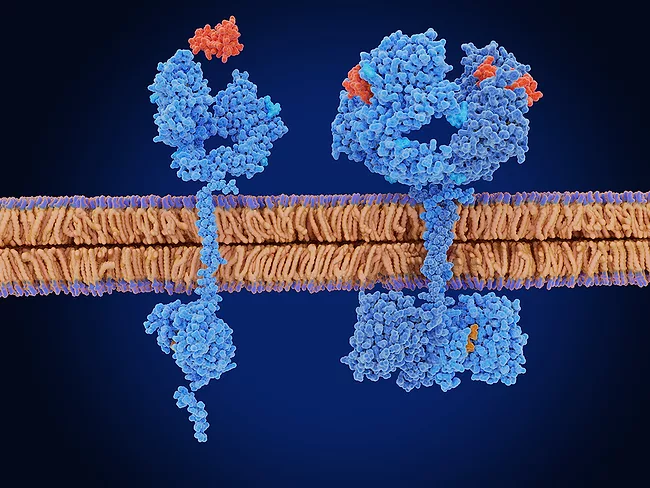
Shengke Pharmaceuticals (Jiangsu) Ltd. has described proprotein convertase subtilisin/kexin-type 9 (PCSK9) inhibitors reported to be useful for the treatment of atherosclerosis, myocardial infarction, nonalcoholic steatohepatitis, stroke, type 2 diabetes, dyslipidemia, hyperphosphatemia and diabetic nephropathy.
Deka Biosciences Inc.'s IND application has been cleared by the FDA allowing the company to proceed with a phase I trial of DK-210 (EGFR) in patients with advanced solid cancer overexpressing epidermal growth factor receptors (EGFR).
Breast cancer-associated gene 1 (BRCA1) is a critical tumor suppressor in breast cancer, and BRCA1 deficiency impairs DNA damage repair, leading to DNA damage accumulation and subsequent genetic alterations that result in the onset of breast cancer. In the current study, researchers from the University of Macau aimed to identify the potential factors that may participate in BRCA1-associated tumorigenesis.
 RSS
RSS