Farnesoid X receptor (FXR) has been previously identified as an important drug target for nonalcoholic steatohepatitis (NASH) and other related diseases, with GW-4064 being the first nonsteroidal FXR agonist used to explore the biological functions of FXR. Scientists at KBP Biosciences Co. Ltd. and Shandong University designed a novel series of FXR agonists as potential candidates for the treatment of NASH.
Spexis AG has released results from an in vitro study evaluating the effects of combining its potent CXCR4 inhibitor balixafortide (BLX) with several available conventional or targeted therapies in B-cell lymphoma models.
Onchilles Pharma Inc. has nominated its first drug development candidate, N-17350, a first-in-class biologic therapeutic that is designed to leverage the immunobiology of neutrophils against a wide range of cancer types. Research published last year first described a pathway where human neutrophils release catalytically active neutrophil elastase, called ELANE, to selectively kill many cancer cell types while sparing noncancer cells.
Novelmed Therapeutics Inc. has reported topline results with its lead anti-properdin antibody NM-3086 in a rabbit model of paroxysmal nocturnal hemoglobinuria (PNH). NM-3086 is a potent, first-in-class, humanized monoclonal antibody that is highly selective for properdin of the alternative pathway (AP) without blocking the classical pathway (CP), which is critical for maintaining host defense against infections.
Preliminary preclinical data have been reported for Enliven Therapeutics Inc.’s ATP-competitive small-molecule ABL1 tyrosine kinase inhibitor (TKI) ELVN-001. In vitro antiproliferative effects, assessed using the biomarker Tyr207-phosphorylated CRKL, demonstrated that ELVN-001 had potent activity with IC50 values ranging from 19 to 112 nM against BCR-ABL1-driven chronic myeloid leukemia (CML) cell lines in the presence of 50% to 100% human serum.
Janssen Pharmaceutica NV reported on the company’s novel fully human immunoglobulin G1 CD79bxCD20xCD3 trispecific antibody JNJ-80948543, comprising an anti-CD3 ε single-chain variable fragment (scFv), an anti-CD20 scFv, and an anti-CD79b fragment antigen-binding (Fab) domain and an effector-silent Fc, designed to redirect T cells to treat patients whose disease no longer responds to previous lines of therapy.
A combination of bioengineering techniques on normal cell binding proteins could be the method of the future for selective cell binding. Scientists at the University of California, San Francisco (UCSF) have created a synthetic glue based on the expression of membrane receptors to establish the desired connection between cells. The results may be applied in different fields of cell biology or biomedicine, such as regeneration and wound repair, including the nervous system, or cancer.
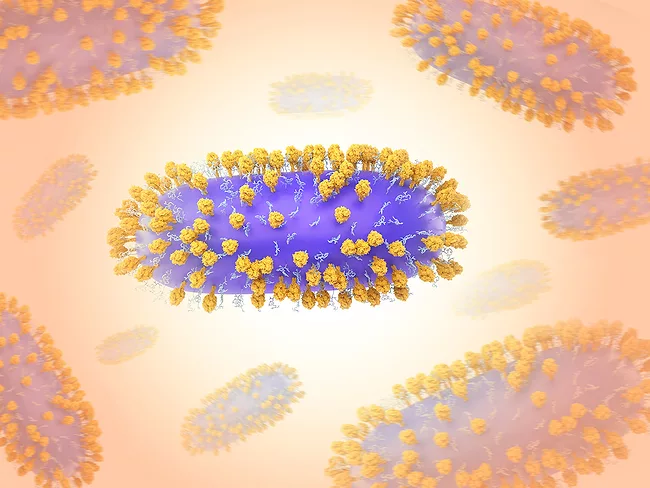
Both neutralizing antibodies and antibody effector functions are needed for protection against re-infection with respiratory syncytial virus (RSV), which may explain why it has been challenging to design an effective vaccine against the virus. As reported in the Dec. 12, 2022, issue of Cell, researchers carried out a human challenge study where volunteers were given a candidate vaccine for RSV, Ad26, or placebo.
Ligand Pharmaceuticals Inc. has divulged prodrugs of clevudine and telbivudine reported to be useful for the treatment of hepatitis, diabetes, malaria, obesity, atherosclerosis, cancer, viral infections and cancer.

 RSS
RSS