Yuhan Corp. has disclosed triggering receptor expressed on myeloid cells 2 (TREM2) agonists described as potentially useful for the treatment of neurological disorders.
Shenzhen Salubris Pharmaceuticals Co. Ltd. has synthesized interleukin-17A (IL-17A) inhibitors reported to be useful for the treatment of arthritis and psoriasis.
Sundance Biosciences Inc. has discovered non-receptor tyrosine-protein kinase TYK2 inhibitors potentially useful for the treatment of multiple sclerosis.
Scientists from Merck Sharp & Dohme LLC and Otsuka Pharmaceutical Co. Ltd. have identified cellular tumor antigen p53 (TP53) Y220C mutant stabilizers reported to be useful for the treatment of cancer.
Friedreich’s ataxia (FA), the most common form of hereditary ataxia, is an autosomal recessive neurodegenerative disorder affecting multiple organ systems, and causing cardiomyopathy, scoliosis, muscle weakness, speech impairment and other systemic issues.
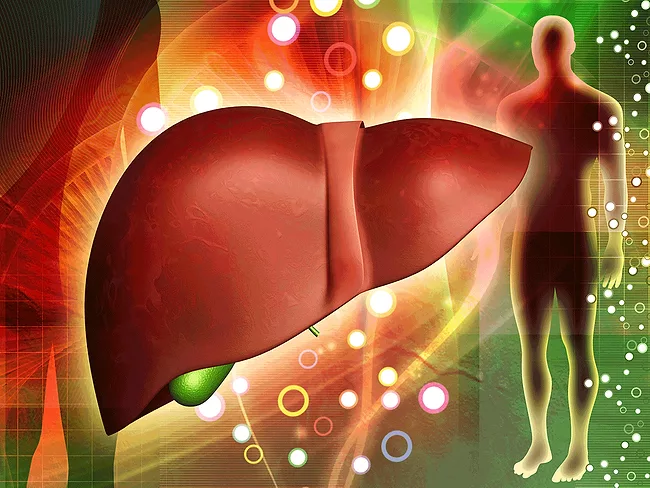
The farnesoid X receptor (FXR) is a nuclear receptor predominantly expressed in the liver, intestine and kidney. FXR is crucially involved in regulating bile acid homeostasis, controlling inflammatory responses in the liver, and regulating lipid and glucose metabolism. Therefore, FXR plays a role in regulating metabolic dysfunction-associated steatohepatitis (MASH) and has been proposed as a promising target for MASH drug development.
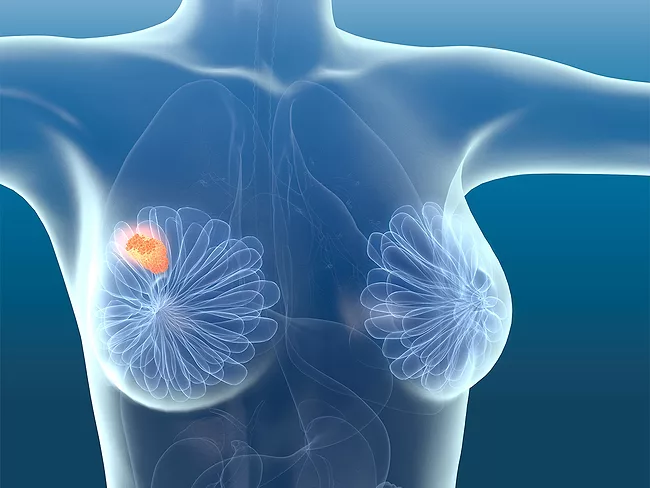
Triple-negative breast cancer (TNBC) cells depend on the transcriptional kinases CDK12 and CDK13 to maintain DNA damage response gene expression and manage replication stress. Due to their functional overlap, inhibition of a single kinase may permit compensatory activity.
At the recent International Stroke Conference, researchers from VST Bio Corp. and Yale University presented preclinical data regarding VB-001, a monoclonal antibody that targets syndecan 2 (SDC2) and is also known as VST-002.
Hidradenitis suppurativa (HS) is a chronic inflammatory skin disease with strong association with psoriasis and inflammatory bowel disease (IBD). While some signaling pathways are well defined in HS, the role of TNF-like ligand 1 (TL1A) is not well understood. A group of researchers has investigated the association of TL1A with HS, as well as its association with other cytokine networks.

 RSS
RSS