Novo Nordisk A/S has disclosed GLP-1 polypeptide analogues acting as glucagon-like peptide-1 receptor (GLP-1R) agonists. As such, they are reported to be useful for the treatment of obesity and diabetes.
Gwangju Institute of Science & Technology, National Cancer Center of Korea and Seoul National University have jointly divulged new PreS1 (hepatitis B virus, HBV) derivatives for the treatment of HBV infection.
The University of Kansas has synthesized TNF-α (ARE sequence)/ELAV-like protein 1 (HuR) interaction inhibitors. They are reported to be useful for the treatment of cancer, kidney fibrosis, liver fibrosis, pulmonary fibrosis and myocardial fibrosis.
A University of Sydney patent details new cyclic peptides acting as coagulation factor XIa inhibitors reported to be useful for the treatment of thrombosis.
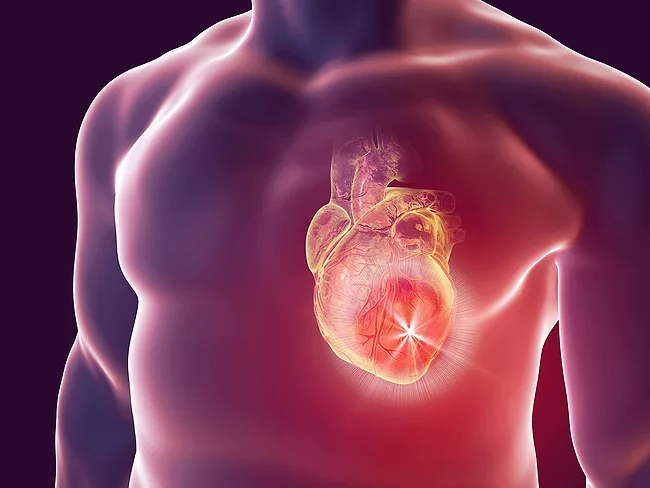
Acute inflammation is a physiological and host defense response to cardiac injury after suffering myocardial infarction (MI), which programmes cardiac repair and wound healing. Leukocyte-mediated innate inflammatory response is crucial to clear ischemic injury during MI; whilst macrophages produce specialized pro-resolving mediators such as maresin 1, the therapeutic potential of exogenous maresin 1 in cardiac repair is not clear.
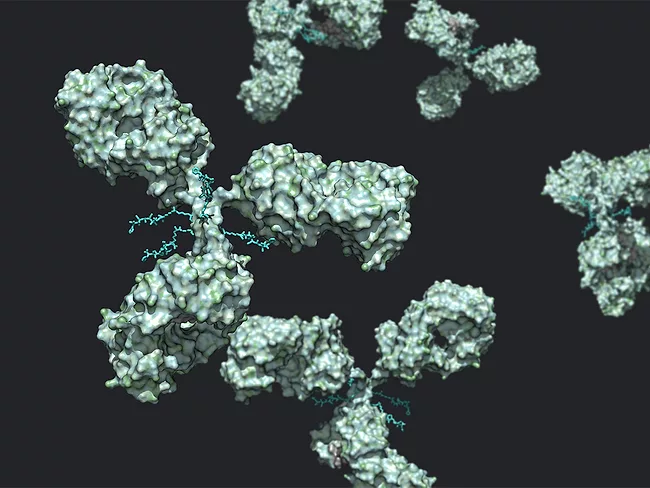
Akari Therapeutics plc has unveiled a new pipeline candidate, AKTX-102, an antibody-drug conjugate (ADC) directed against CEACAM5, a novel target highly relevant in gastrointestinal and lung cancers.
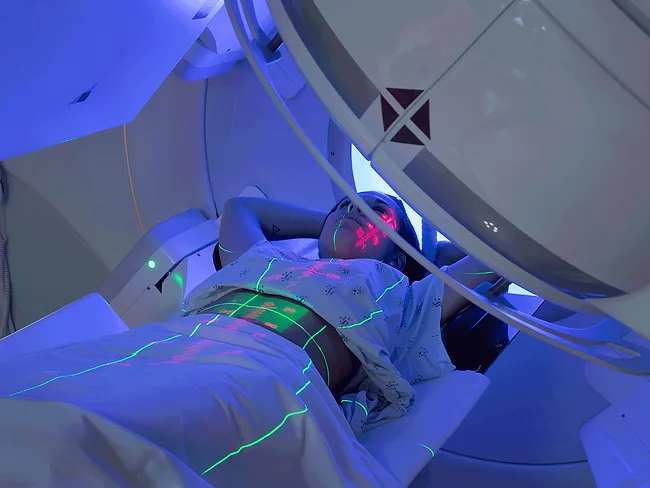
Breast cancer is the most frequently diagnosed malignancy worldwide. Inhibiting PARP-mediated DNA repair has emerged as a promising anticancer strategy, with PARP inhibitors (PARPis) demonstrating clinical efficacy particularly in tumors with defective homologous recombination repair, such as BRCA-deficient cancers.
Starkage Therapeutics SAS has established a research collaboration with Gustave Roussy to characterize cellular senescence induced by standard-of-care treatments in a series of digestive cancers.
Programmed death-ligand 1 (PD-L1) is a crucial immune checkpoint ligand that inhibits antitumor immunity by engaging PD-1 on T cells, and checkpoint blockade has become a pillar of anticancer therapy. However, many patients show limited treatment responses.
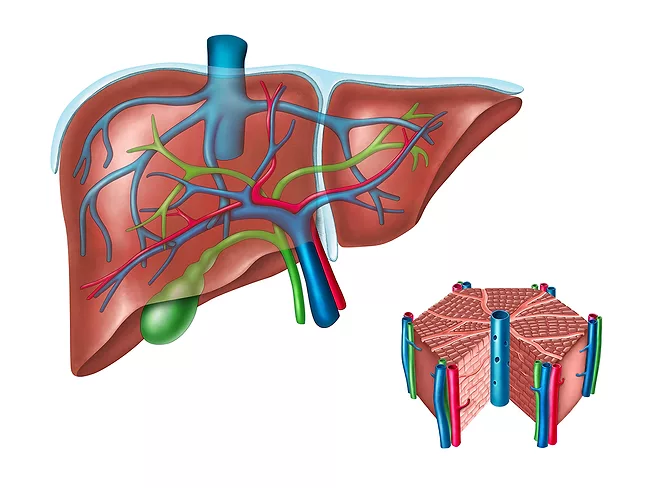
Researchers at the Biodonostia Health Research Institute reported on the role of KLF15 in cholangiocarcinogenesis and its potential as a therapeutic target in this disease.

 RSS
RSS