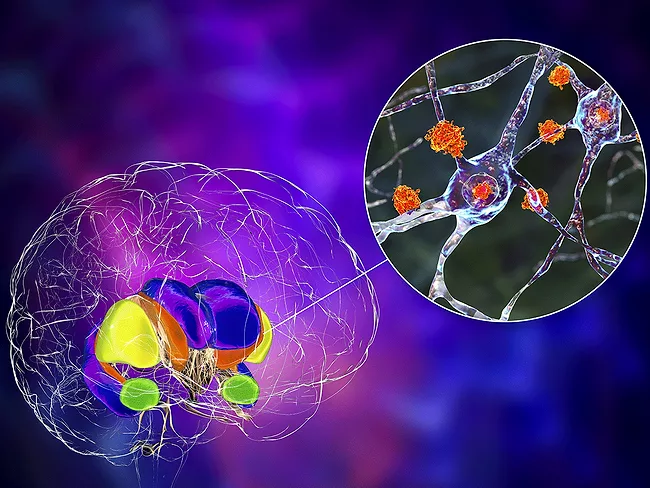
Revir Therapeutics Inc. has announced progress in its HTT-PMS1 genetic medicine program for Huntington’s disease with the identification of a lead compound and the award of a $4.6 million grant from the California Institute for Regenerative Medicine (CIRM).
Evaxion A/S is advancing its cytomegalovirus (CMV) vaccine program, EVX-V1, with new data demonstrating protective effects of lead antigens in the program. EVX-V1 is a next-generation, multicomponent vaccine program combining novel AI-discovered antigens with AI-optimized versions of established CMV vaccine antigens.
A significant share of the risk and heritability of attention-deficit hyperactivity disorder (ADHD) is explained by rare genetic variants. A study led by scientists from Aarhus University in Denmark has uncovered their weight in this condition and identified three variants that will help to better understand their role, the risk of developing it, or its comorbidities, in contrast with the common and more frequent variants associated with ADHD.
The U.K. Medicines and Healthcare products Regulatory Agency is calling for unified standards to harmonize microbiome research, after revealing major inconsistencies in the results when labs around the world analyzed identical reference samples of gut bacteria.
Boehringer Ingelheim Pharma GmbH & Co KG has described stimulator of interferon genes protein (STING; TMEM173) antagonists reported to be useful for the treatment of glaucoma, rheumatoid arthritis, heart failure, sepsis, interstitial lung diseases, nonalcoholic or metabolic dysfunction-associated steatohepatitis (NASH/MASH), bloom syndrome and cancer.
Jiangsu Hengrui Pharmaceuticals Co. Ltd. and Shanghai Hengrui Pharmaceutical Co. Ltd. have divulged aromatic compounds acting as sodium channel protein type 10 subunit α (SCN10A; Nav1.8) blockers reported to be useful for the treatment of pain.
Sunrise Oncology (Hong Kong) Ltd. has identified molecular glues acting as phosphodiesterase PDE3A/SLFN12 interaction inducers reported to be useful for the treatment of cancer.
Shandong Quanzhong Biomedical Technology Co. Ltd. has synthesized monoamine transmitter reuptake inhibitors reported to be useful for the treatment of neurological disorders, depression, autism, pain, substance abuse and dependency, epilepsy, osteoporosis and metabolic diseases, among others.
Hangzhou Baicreat Pharma-Tech Co. Ltd. has disclosed oxamide compounds acting as signal transducer and activator of transcription 6 (STAT6) inhibitors reported to be useful for the treatment of cancer and inflammatory disorders.
METTL3, the enzyme that adds the m6A RNA modification, is a key regulator of RNA processing and protein synthesis. In cancer, METTL3 is often overexpressed, driving tumor growth, invasion and therapy resistance across multiple malignancies, including lung, pancreatic, ovarian, colorectal cancers and acute myeloid leukemia.
 RSS
RSS