Anew Therapeutics Pte Ltd. has synthesized heterocyclic compounds acting as interleukin-17A (IL-17A)/interleukin-17 receptor A (IL-17RA) interaction inhibitors. As such, they are reported to be useful for the treatment of Crohn’s disease, type 1 diabetes, dry eye, multiple sclerosis, myositis, psoriasis, rheumatoid arthritis and vitiligo, among others.
Haisco Pharmaceutical Group Co. Ltd. has disclosed new muscarinic M4 receptor agonists described as potentially useful for the treatment of substance abuse and dependence, Alzheimer’s disease, pain, schizophrenia and sleep disorders.
A patent from Hansoh Bio LLC, Jiangsu Hansoh Pharmaceutical Group Co. Ltd. and Shanghai Hansoh Biomedical Co. Ltd. describes new multi-membered macrocyclic compounds acting as GTPase KRAS G12C, G12V and/or G13D mutant inhibitors.
Alterity Therapeutics Ltd. has divulged salts of ATH-434, the company's oral agent designed to inhibit the aggregation of pathological proteins implicated in neurodegeneration.
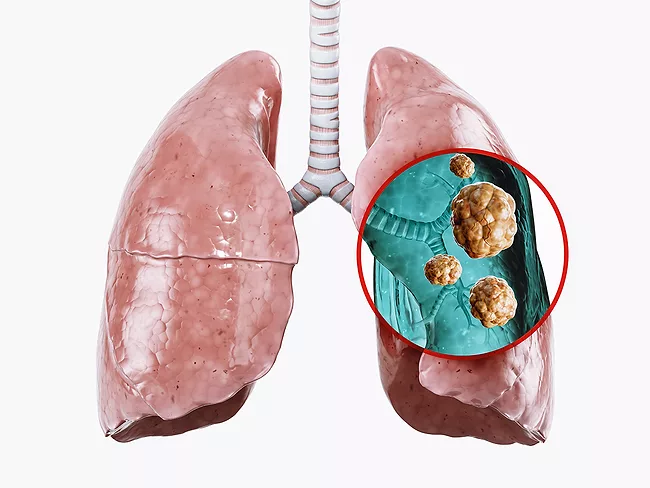
Researchers from Nirma University in India aimed to discover and develop novel small-molecule telomerase inhibitors derived from known scaffolds with improved efficacy and safety for lung cancer therapy.
Researchers from China hypothesized that Takeda G protein-coupled receptor 5 (TGR5), also known as G-protein coupled bile acid receptor 1, could have therapeutic potential in acute kidney injury by inhibiting ferroptosis.
Interleukin-12 (IL-12) is a pro-inflammatory cytokine produced by antigen-presenting cells that plays a central role in shaping cell-mediated immune responses. It promotes the activation and effector function of natural killer cells and cytotoxic CD8+ T lymphocytes and drives the differentiation of CD4+ T cells toward a T helper 1 phenotype.
IL-10-based approaches have shown promise in cancer immunotherapy by activating exhausted CD8+ T cells, but severe hematological toxicities have limited their clinical use. Recent strategies aim to harness IL-10’s antitumor effects while reducing these toxicities.
Acute ischemic stroke still represents a public health challenge due to its high incidence and mortality rate. Current treatments may effectively restore the blood flow, but recanalization by opening occluded vessels does not guarantee a favorable prognosis.
Zipbio has signed an exclusive license agreement with Meiragtx Holdings plc to advance an AAV gene therapy for geographic atrophy. Under the agreement, Meiragtx will receive exclusive rights to Zipbio’s first-in-class therapies targeting the complement pathway for geographic atrophy.

 RSS
RSS