Lysoway Therapeutics Inc. has completed IND-enabling studies for its lead TRPML1 agonist, LW-1017. A first-in-human study is planned in Australia, with dosing set to commence in May.
Cansino Biologics Inc. has obtained clinical trial approval from China’s National Medical Products Administration (NMPA) for the company’s 24-valent pneumococcal polysaccharide conjugate vaccine (CRM197/tetanus toxoid) (PCV24).
Ernexa Therapeutics Inc. has successfully completed a pre-IND meeting with the FDA, setting a pathway toward submitting an IND and initiating a first-in-human trial for the treatment of ovarian cancer, expected in the second half of this year.
Loqus23 Therapeutics Ltd. has nominated LQT-23, a first-in-class allosteric oral small-molecule inhibitor of MSH3/MutSβ, as a development candidate for Huntington’s disease.
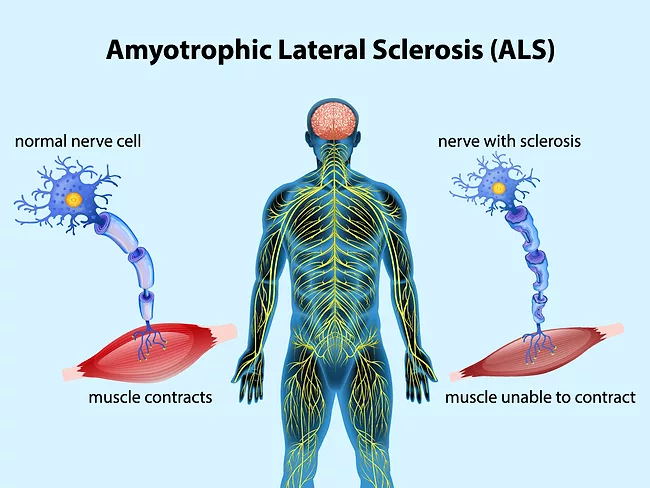
Aperture Therapeutics Inc. has advanced its matrix metalloproteinase-9 (MMP-9) antisense oligonucleotide (ASO) program, APRTX-003, for the treatment of amyotrophic lateral sclerosis (ALS). This first-in-class RNA-targeting approach program targets chronic neuroinflammation and neurodegeneration.
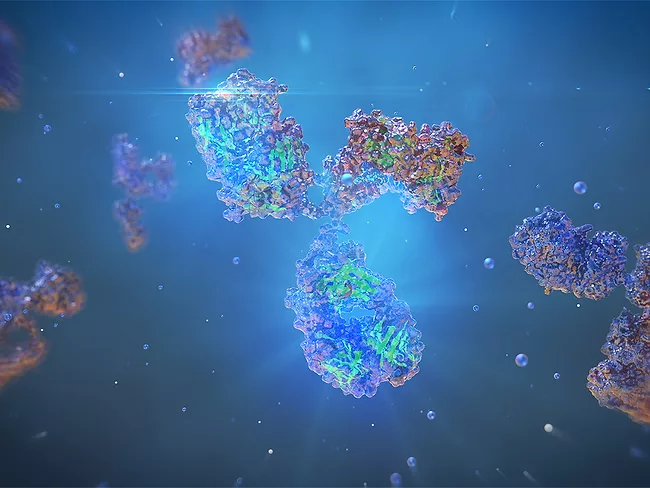
Nucleome Therapeutics Ltd. has nominated NTP-464 as its first preclinical development candidate and is advancing the program toward IND-enabling studies. The first-in-class monoclonal antibody agonist for inflammation resolution has broad applicability across major chronic inflammatory diseases.
Ascentage Pharma Group International has obtained IND approval from the FDA for its BTK-targeted protein degrader APG-3288. A phase I study will be conducted in patients with relapsed or refractory B-cell malignancies.
December 2025 was a big month for announcements from Psithera Inc. The Watertown, Mass.-based newco announced its name change from Psivant Therapeutics, having come out from under the Roivant Sciences Ltd. umbrella – thus the dropping of the “-vant” name. The company also announced a $47.5 million series A financing and disclosed that Eric Shaff had started as the company’s new president and CEO.
In accordance with the publishing schedule, BioWorld Science was not published on Thursday, Jan. 1, 2026, or Friday, Jan. 2, 2026. Additionally, there will not be an issue published on Tuesday, Jan. 6, 2026.
Researchers at Shanghai Institute of Materia Medica of the Chinese Academy of Sciences, Suzhou Vigonvita Life Sciences Co. Ltd. and Vigonvita Shanghai Co. Ltd. have described NMDA and serotonin receptor antagonists reported to be useful for the treatment of neurological disorders.
 RSS
RSS