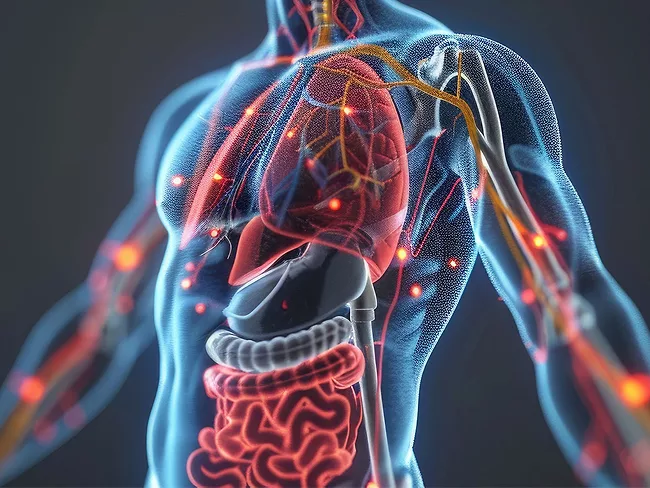
Globally, over half of people living with HIV are women. But in clinical cure trials, they make up only about 20% of participants. And that gender imbalance is causing researchers to miss out on ways to improve cure strategies. Because women’s immune systems appear to be better at controlling HIV infection in a way that silences the reservoir – the provirus integrated into host cells in infected persons.
Miralogx LLC and Mira Pharmaceuticals Inc. have jointly disclosed new cannabinoid analogues acting as monoamine oxidase-A (MAO-A) and/or MAO-B inhibitors reported to be useful for the treatment of epilepsy, anxiety disorders and pain.
Prelude Therapeutics Inc. has prepared and tested new proteolysis targeting chimera (PROTAC) compounds comprising an E3 ubiquitin ligase-binding moiety coupled to probable global transcription activator SNF2L2 (SMARCA2; BAF190B; SNF2-α) and SMARCA4-targeting moiety through a linker.
Chinese Academy of Sciences researchers have patented heptanoate compounds reported to be useful for the treatment of amyotrophic lateral sclerosis, Alzheimer’s, Parkinson’s and Huntington’s disease.
Non-small-cell lung cancer (NSCLC) accounts for up to 85% of all cases of lung cancer, which is the most frequent cause of cancer-related deaths worldwide. The need for effective treatments against NSCLC is urgent, and one promising target is pyruvate kinase M2, which plays metabolic and nonmetabolic roles in the cell. This enzyme has been implicated in various cancers beyond NSCLC, including pancreatic, gastric and breast cancers.
Angelman syndrome (AS) is a rare neurodevelopmental disorder caused by the loss of function of the maternally inherited ubiquitin E3 ligase UBE3A gene. AS is characterized by severe symptoms, including lack of speech, epilepsy, developmental and motor skills delays, sleep disturbances and cognitive impairment. Currently, no treatments are available for this disease.
Obesity is a multifactorial metabolic disorder with limited treatment options capable of sustaining weight loss and improving systemic metabolic health. MicroRNA-22 (miR-22) has emerged as an essential regulator of metabolic homeostasis, influencing lipid biosynthesis, mitochondrial function and brown adipose tissue development. These roles position miR-22 as a promising target for therapeutic intervention in obesity and related disorders such as metabolic dysfunction-associated steatotic disease (MASLD) and its progressive disease state, metabolic dysfunction-associated steatohepatitis (MASH).
 RSS
RSS