Newave Pharmaceutical LLC has disclosed GTPase KRAS (mutant) inhibitors reported to be useful for the treatment of cancer, autoimmune disease and inflammatory disorders.
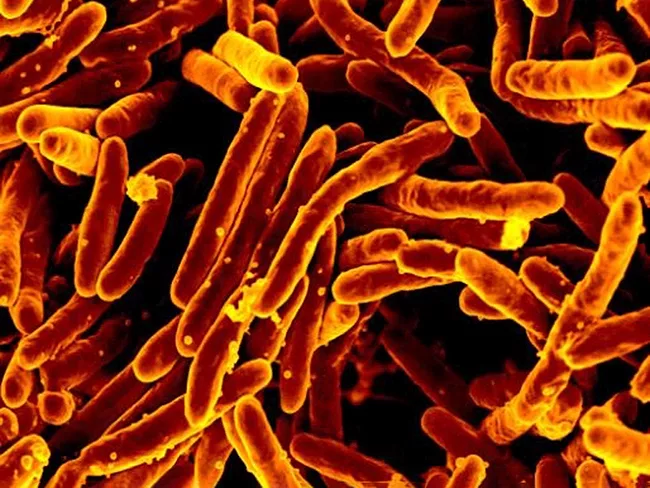
New vaccines to control tuberculosis (TB) are urgently needed to fight the global burden of the disease, the increase of resistant strains and the lack of effective vaccines to prevent latent TB infections.
In mammals, the fibroblast growth factor (FGF)-FGF receptor (FGFR) interactions control many physiological processes during development and life. Impaired FGFR signaling has been associated with different pathologies, including growth disorders, degenerative diseases and cancer. Thus, targeting FGFR signaling can offer significant therapeutic advantage in these conditions.
Curevac NV announced that the FDA has cleared its IND application for a phase I clinical study of CVHNLC in patients with squamous non-small-cell lung cancer (sqNSCLC). CVHNLC is Curevac’s investigational mRNA-based precision immunotherapy.
Esophageal basaloid squamous cell carcinoma (EBSCC) is a rare type of esophageal squamous cell cancer (ESCC) characterized by basaloid features and considered to be more aggressive than ESCC. RNA sequencing was performed from 20 pure EBSCC and 11 poorly differentiated ESCC samples; researchers identified chondroitin sulfate proteoglycan 4 (CSPG4) as a potential marker of EBSCC at the mRNA level, which was verified by immunohistochemistry in these same samples.
Tharimmune Inc. has announced preclinical data from its expanded pipeline with HS-1940, a dual-target multispecific biologic engineered to bind to both programmed cell death protein 1 (PD-1) and vascular endothelial growth factor (VEGF), and HS-3215, a dual-target biologic binding to HER2 and HER3 receptors. Both use the proprietary Epiclick technology, a multispecific antibody engineering platform.
Nissan Chemical Corporation and Sanwa Kagaku Kenkyusho Co. Ltd. (SKK) have entered an agreement to codevelop SK-2407/SN-001 for the treatment of dentatorubral-pallidoluysian atrophy (DRPLA) in Japan.
Parkinson’s disease (PD) is a neurodegenerative disease of the central nervous system characterized by the loss of dopaminergic neurons in the substantia nigra and the abnormal aggregation of α-synuclein. UCB Pharma Inc. has presented new preclinical data on their anti-α-synuclein antibody UCB-7853 for the potential treatment of PD.
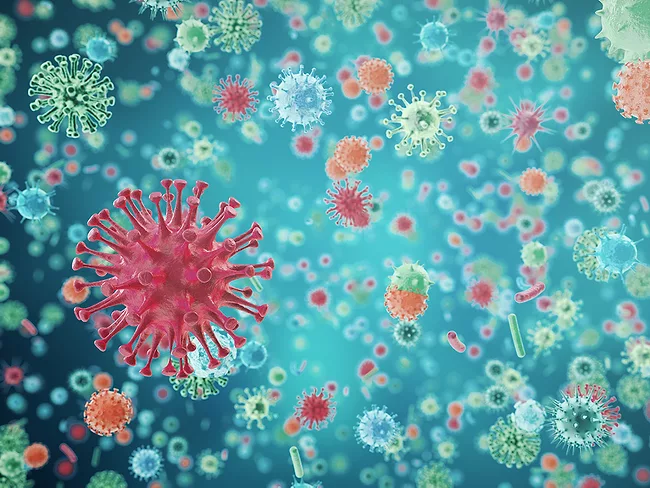
Compared to other forms of prevention, a unique issue for pandemic preparedness is that it is forever unclear what pathogen, exactly, the world needs to be prepared for. There are an estimated 300,000 viruses that infect mammals; add in birds, and the estimate grows to more than half a million. Some of those viruses are much greater threats than others.
National Science & Technology Development Agency (NSTDA) has described cordycepin derivatives acting as viral replication inhibitors reported to be useful for the treatment of viral infections.

 RSS
RSS