Latus Bio Inc. is developing a new gene therapy, LTS-101, for the treatment of neuronal ceroid lipofuscinosis type 2 (CLN2), a form of Batten disease characterized by deficiency in the tripeptidyl peptidase 1 (TPP1) protein that leads to lysosomal dysfunction and neurodegeneration.
In their ongoing search for effective small-molecule inhibitors of focal adhesion kinase (FAK), researchers at Beijing Normal University and collaborators started from a promising lead compound that they previously described.
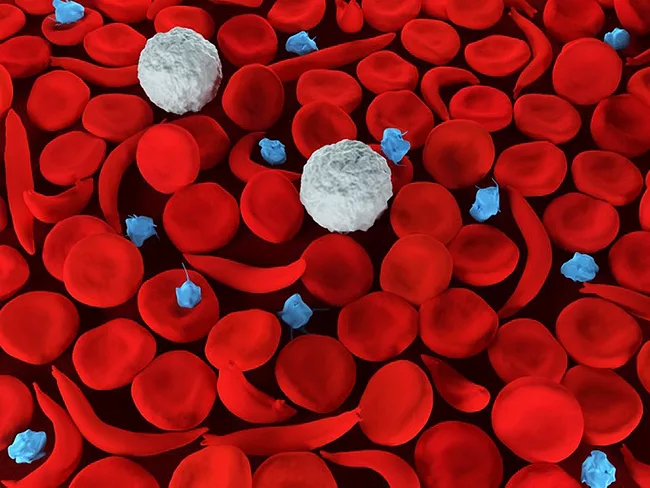
Individuals with both sickle cell disease (SCD) and sickle cell trait are at higher risk than others of developing renal medullary cancer (RMC), the rarest and deadliest subtype of kidney cancer. Researchers at MD Anderson Cancer Center have identified the molecular mechanisms behind the increased risk, gaining new insights into antitumor immunity more generally and, potentially, new ways to treat RMC, and possibly other tumors as well.SCD “has been studied for 30 years, but 95% of the effort [has been] working on the red blood cells … how red blood cells contribute to hypoxia and then reduce oxygen supply,” Chunru Lin told BioWorld.
Additional early-stage research and drug discovery news in brief, from: Connect Biopharma, Gri Bio, Marker Therapeutics, Pasithea Therapeutics, Rein Therapeutics.
Scientists at Jiangsu Hengrui Medicine Co. Ltd. and Shanghai Hengrui Pharmaceutical Co. Ltd. have described GTPase KRAS (G12D mutant) and/or KRAS (G12V mutant) inhibitors reported to be useful for the treatment of cancer.
Chengdu Zeling Biomedical Technology Co. Ltd. has divulged receptor-interacting serine/threonine-protein kinase 2 (RIPK2; RIP-2) inhibitors reported to be useful for the treatment of autoimmune diseases.
Arcus Biosciences Inc. has identified mast/stem cell growth factor receptor Kit (KIT; c-Kit; CD117) inhibitors reported to be useful for the treatment of cancer, allergy, autoimmune, inflammatory, cardiovascular, metabolic, dermatological and respiratory disorders, among others.
Chia Tai Tianqing Pharmaceutical Group Co. Ltd. has synthesized poly(ADP-ribose) polymerase 1 (PARP-1; ARTD1) inhibitors reported to be useful for the treatment of cancer.
Incyte Corp. has disclosed GTPase KRAS (mutant) inhibitors reported to be useful for the treatment of cancer, as well as autoimmune and inflammatory disorders.
Major histocompatibility complex class I-related protein A and B (MICA and MICB) are ligands for the natural killer group 2 member D (NKG2D) receptor and are widely expressed on tumor cells, with very limited expression on normal tissues.
 RSS
RSS