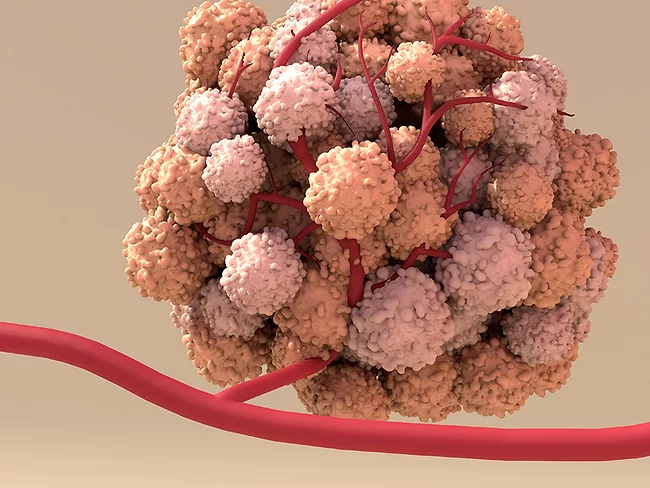
Nutshell Therapeutics (Shanghai) Co. Ltd. has received IND clearance from the FDA to initiate a phase I trial in the U.S. with NTS-071 for anticipated use in solid tumors with a p53 Y220C mutation. The trial is expected to begin in the second half of this year.
Mammoth Biosciences Inc. has nominated its first clinical development candidate – MB-111 – a potential one-time treatment for patients with very high triglycerides, including familial chylomicronemia syndrome (FCS) and severe hypertriglyceridemia. IND-enabling studies are on track to begin this year.
Astrazeneca plc recently reported new preclinical data regarding their KRAS G12D inhibitor AZD-0022, currently in phase I/II clinical studies. The company presented the pharmacokinetic and pharmacodynamic profiling of the compound with the aim to push forward with its clinical development.
Adult skeletal muscle tolerates a lack of the coenzyme nicotinamide adenine dinucleotide (NAD), according to a study led by scientists at the University of Copenhagen. Their results suggest that adverse effects previously associated with congenital NAD depletion in this tissue may be due to impaired muscle development rather than to a deficiency of this molecule.
Raythera Inc. has described C-C chemokine receptor type 4 (CCR4) antagonists reported to be useful for the treatment of cancer, inflammatory bowel disease, psoriasis, systemic lupus erythematosus, atherosclerosis, asthma, chronic obstructive pulmonary disease and multiple sclerosis, among others.
Scientists at Hyperway Pharmaceutical Co. Ltd. and Shenzhen Hyperway Pharmaceuticals Co. Ltd. have divulged GTPase KRAS (mutant) inhibitors reported to be useful for the treatment of cancer, LEOPARD and Noonan syndromes.
Beijing Double-Crane Runchuang Technology Co. Ltd. has disclosed protein arginine N-methyltransferase 5 (PRMT5) inhibitors reported to be useful for the treatment of cancer.
 RSS
RSS