Creyon Bio Inc. has entered into a global licensing and multitarget research collaboration with Eli Lilly & Co. focused on the discovery, development and commercialization of novel RNA-targeted oligonucleotide therapies for a broad range of diseases.
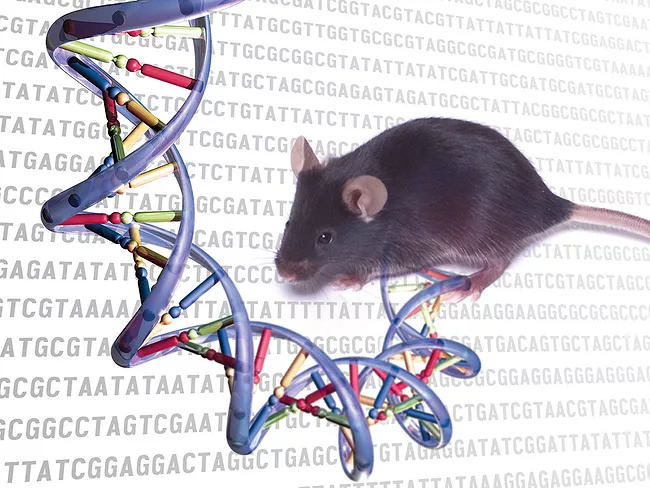
The National Institutes of Health (NIH) is adopting a new initiative to expand innovative, human-based science while reducing animal use in research. Developing and using alternative nonanimal research models aligns with the FDA’s recent initiative to reduce testing in animals.
SMARCA4 and SMARCA2 are essential subunits of the SWI/SNF complex, functioning as ATP-dependent chromatin remodelers that regulate gene expression and maintain cellular homeostasis. Recent research has shown that selectively targeting SMARCA2 is an effective cancer treatment strategy, with several compounds already in early clinical testing.
Scientists at Institut Pasteur have gained new insights into how some people control HIV-1 replication after interruption of antiretroviral treatment (ART). The investigators found a fingerprint involved in long-term viral remission.
Nippon Shinyaku Co. Ltd. has divulged azaindole compounds acting as mucosa-associated lymphoid tissue lymphoma translocation protein 1 (MALT1) inhibitors reported to be useful for the treatment of cancer, multiple sclerosis, rheumatoid arthritis, psoriasis, spinal cord injury, Behçet’s disease, atopic dermatitis and idiopathic pulmonary fibrosis, among others.
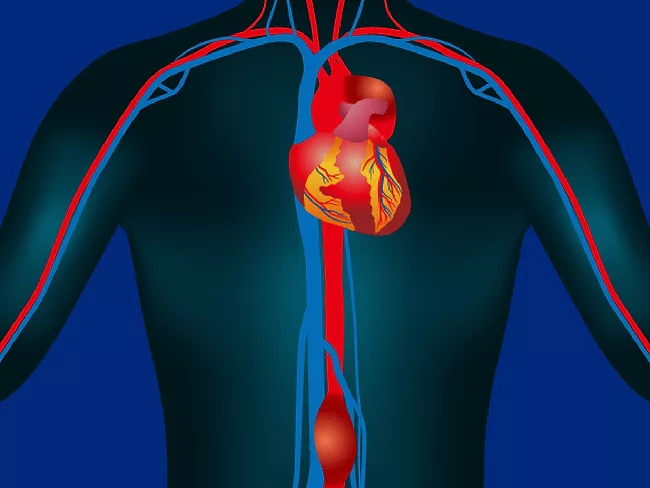
Researchers have identified glutathione peroxidase 4 (GPX4) as a therapeutic target in abdominal aortic aneurysm, a vascular disease characterized by permanent and focal dilatation of the abdominal aorta, with a mortality rate of up to 85% in case of rupture.
 RSS
RSS