Sevenless Therapeutics Ltd. has disclosed son of sevenless homolog 1 (SOS1) inhibitors reported to be useful for the treatment of cancer, pain, dementia, Noonan syndrome, Parkinson's disease and neurofibromatosis type 1.
Gachon University has divulged quinoxaline compounds acting as proto-oncogene tyrosine-protein kinase receptor Ret (RET; CDHF12; PTC) and its mutant inhibitors reported to be useful for the treatment of cancer.
Synnovation Therapeutics Inc. has prepared and tested phosphatidylinositol 3-kinase α (PI3Kα) inhibitors reported to be useful for the treatment of cancer and more.
Current anticancer approaches, such as antibody or CAR T-cell therapies, rely on targeting tumor-associated antigens rather than tumor-specific antigens, with the consequent on-target, off-tumor effects.
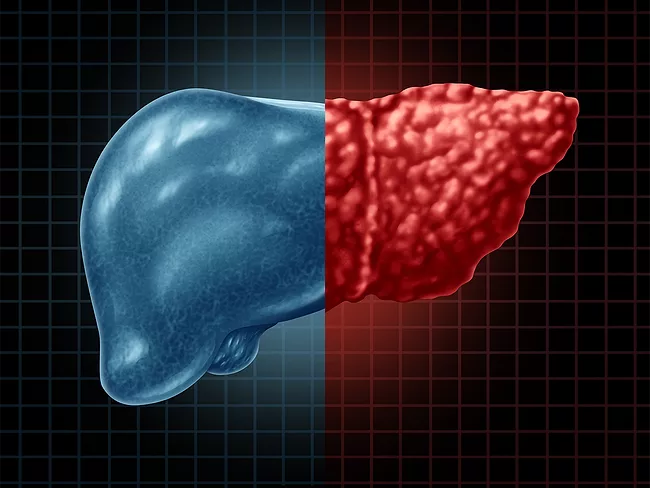
Zhejiang Doer Biologics Co. Ltd. has presented data regarding their FGF21R/GCGR/GLP-1R triple agonist DR-10624 for the treatment of metabolic dysfunction-associated steatohepatitis (MASH).
The metabotropic nucleotide receptor P2Y14 shows strong potential as a therapeutic target against various inflammatory diseases, particularly acute lung injury, yet the small-molecule inhibitors described so far have performed poorly in preclinical studies.
Researchers from Protagonist Therapeutics Inc. reported the preclinical characterization of PN-881, an oral macrocyclic peptide that inhibits the dimeric forms of IL-17 – AA, AF, and FF.

 RSS
RSS