Army Medical University has identified new cyclic GMP-AMP synthase (MB21D1; cGAS)/STING pathway inhibitors potentially useful for the treatment of inflammatory disorders.
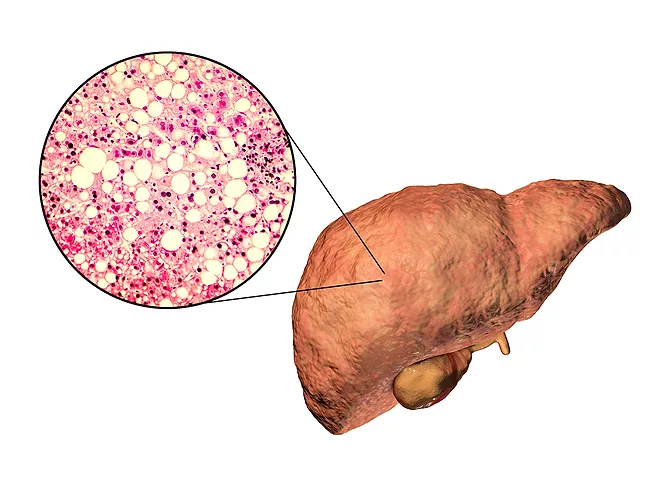
Muna Therapeutics Aps has patented new dihydropyrrolopyrimidinone compounds acting as triggering receptor expressed on myeloid cells 2 (TREM2) agonists potentially useful for the treatment of osteoporosis, rheumatoid arthritis, systemic lupus erythematosus, type 2 diabetes, obesity, metabolic dysfunction-associated steatotic liver disease (MASLD; NAFLD), neurodegeneration and inflammatory bowel disease, among others.
Deep Apple Therapeutics Inc. has divulged new alkylphenyl substituted compounds acting as gastric inhibitory polypeptide receptor (GIPR) antagonists potentially useful for the treatment of obesity and type 2 diabetes.
Xtalpi Inc.’s strategic collaboration with Dovetree Medicines Unus Inc. has made substantial progress, with Xtalpi receiving the second payment under the agreement.
In the treatment of hepatocellular carcinoma (HCC), the long-term benefits of second-line tyrosine kinase inhibitors such as sorafenib are often limited by resistance mechanisms and adverse effects. The deubiquitinase ubiquitin carboxyl-terminal hydrolase L1 (UCH-L1) is upregulated in advanced HCC disease and has been linked to poor prognosis and treatment resistance.
Laverock Therapeutics Ltd. has been awarded two new grants totaling in excess of £2.2 million (US$3 million) to support the next generation of its gene-control platform development, and expansion into additional nononcology therapeutics areas.
Researchers from Pilatus Biosciences SA recently presented preclinical efficacy data for PLT-012, a humanized IgG4 antibody targeting CD36, in metabolic dysfunction-associated steatohepatitis (MASH) models.
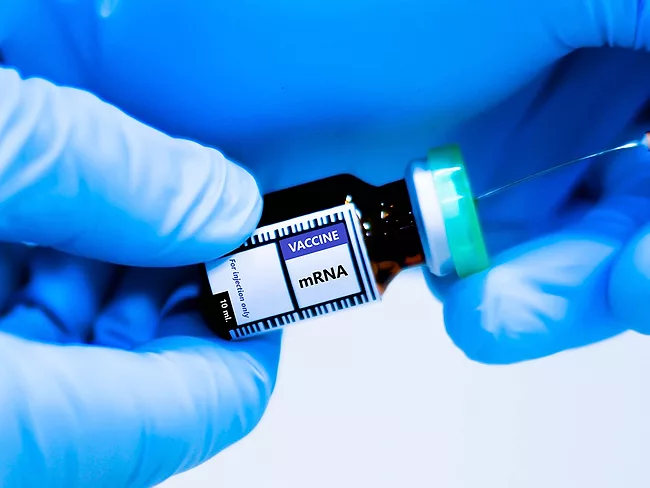
Moderna Inc. has announced an expanded collaboration with the Coalition for Epidemic Preparedness Innovations (CEPI) to advance the development of a potential vaccine against Bundibugyo Ebola virus (BDBV), a cause of Ebola virus disease.

 RSS
RSS