Enanta Pharmaceuticals Inc. has developed mast/stem cell growth factor receptor kit (KIT; c-KIT; CD117) inhibitors reported to be useful for the treatment of cancer, autoimmune disease, fibrosis, pulmonary arterial hypertension, irritable bowel syndrome, inflammatory, dermatological and respiratory disorders, among others.
Terremoto Biosciences Inc. has synthesized new 3H-imidazo[4,5-b]pyridine compounds acting as RAC-α serine/threonine-protein kinase (AKT1; PKB-α) inhibitors reported to be useful for the treatment of cancer.
Astrazeneca has identified anthracycline compounds and antibody-drug conjugates consisting of an antibody covalently bound to anthracycline derivatives reported to be useful for the treatment of cancer.
Merck KGaA has patented substituted bicyclic transcriptional coactivator YAP1/transcriptional enhancer factor (TEAD) and/or TAZ/TED interaction inhibitors reported to be useful for the treatment of cancer.
Bridgene Biosciences Inc. has signed a strategic collaboration and licensing agreement with Takeda Pharmaceutical Co. Ltd. to discover small-molecule drug candidates against targets in immunology and neurology.
Researchers from Centro de Investigación Biomédica en Red sobre Enfermedades Neurodegenerativas (CIBERNED), Miramoon Pharma SL and affiliated organizations published the preclinical characterization of FKBP12 ligand MP-010 and evaluated its efficacy in models of amyotrophic lateral sclerosis.
Previous research revealed that nuclear factor of activated T cells 1 (NFAT1) is a novel regulator of the mouse double minute 2 homolog (MDM2) oncogene, which acts by directly binding to the MDM2 P2 promoter and as such, enhancing MDM2 transcription independent of p53. Researchers from the University of Houston and Baylor College of Medicine presented preclinical data for MA-242, a dual inhibitor of MDM2 and NFAT1, being developed for the treatment of cancer.
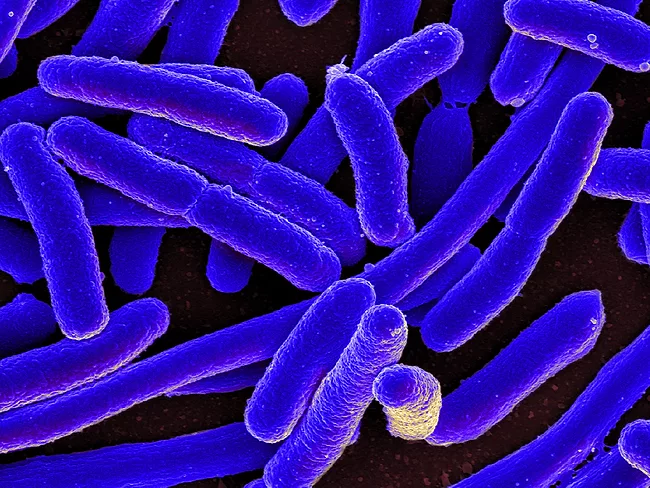
CARB-X (Combating Antibiotic-Resistant Bacteria Biopharmaceutical Accelerator) has announced it will award US$2 million to Immunethep SA to develop a conjugated peptide-based vaccine to prevent infections from all invasive serotypes of Escherichia coli.
Researchers from Sunrock Biopharma SL presented preclinical data on SRB-1, a CCR9-depleting antibody aimed to restore immune homeostasis in patients with inflammatory bowel disease.
Researchers from Captor Therapeutics Inc. presented the preclinical characterization of CT-01, a first-in-class GSPT-1 targeted degrader under investigation for the treatment of hepatocellular carcinoma.

 RSS
RSS