Cystic fibrosis (CF) is characterized by lack of hydration in the airways by impaired functioning of cystic fibrosis transmembrane conductance regulator (CFTR), leading to infection, inflammation and lung tissue damage. It is hypothesized that inhibiting the epithelial sodium channel (ENaC) in the airways in CF may enhance the mucociliary clearance (MCC) and provide clinical benefit, but numerous inhaled ENaC blockers have failed in clinical trials. Enterprise Therapeutics Ltd. is developing an inhaled ENaC blocker compound, ETD-001, for the treatment of CF.
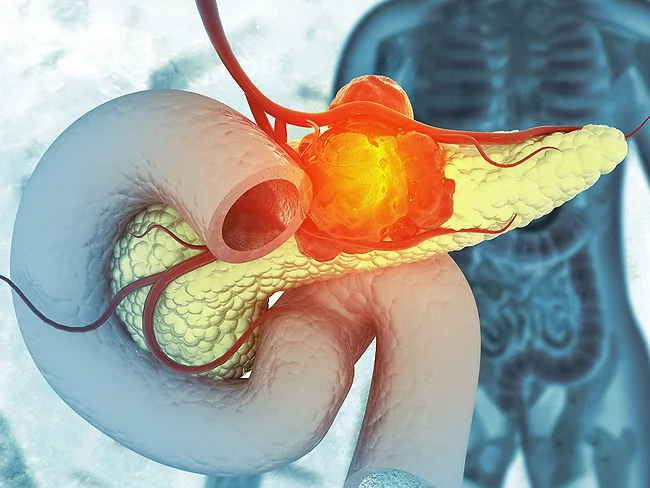
Researchers from the National Cancer Institute presented data from a study that aimed to explore the role of the major nuclear exporter protein exportin 1 (XPO1) in pancreatic neuroendocrine tumor (pNET) subsistence and therapy resistance.
Activation of the stimulator of interferon genes (STING) pathway has recently proven effective as an antiproliferative strategy in glioma and melanoma.
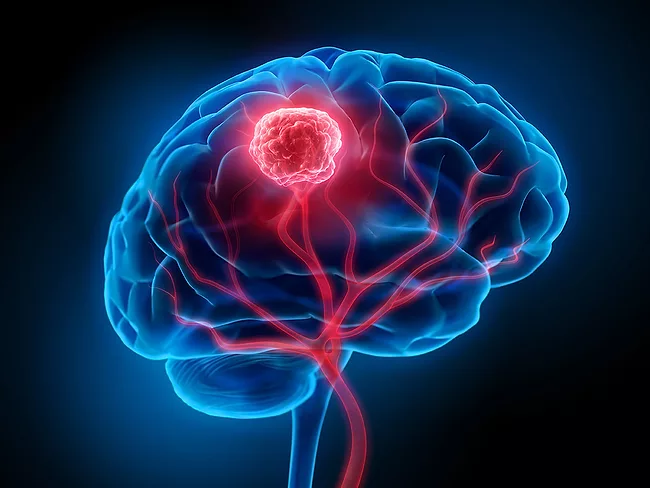
Craniopharyngiomas are a rare brain cancer of the suprasellar region, and despite being benign tumors, their management can be challenging. Investigators from the Children’s Hospital of Philadelphia have aimed to identify transcriptional factors that may predict recurrence of craniopharyngiomas.
Scientists at the University of Copenhagen have demonstrated that the trigeminal nerve, a cranial nerve whose activation underlies migraine pain, has direct access to cerebrospinal fluid (CSF) transported by the glymph system. Furthermore, in the run-up to a migraine, levels of multiple proteins in the CSF changed. One of them was calcitonin gene-related peptide (CGRP), a driver of migraine pain and target of several approved drugs for both treatment and prevention of migraine.
NMD Pharma ApS has described chloride channel protein 1 (CLCN1; ClC-1) channel blockers reported to be useful for the treatment of myasthenia gravis, Lambert-Eaton syndrome, critical illness myopathy, amyotrophic lateral sclerosis, spinal muscular atrophy, Guillain-Barré syndrome, post-poliomyelitic and chronic fatigue syndrome, among others.
SRI International has divulged lipoxygenase inhibitors, particularly polyunsaturated fatty acid 5-lipoxygenase (ALOX5) and/or ALOX15, reported to be useful for the treatment of bacterial infections.
Betta Pharmaceuticals Co. Ltd. has identified proteolysis targeting chimera (PROTAC) compounds comprising a Von Hippel-Lindau disease tumor suppressor (VHL) ligase binding moiety to pan GTPase KRAS (mutant) binding moiety through a linker reported to be useful for the treatment of cancer.
Humanwell Healthcare (Group) Co. Ltd. has synthesized prostaglandin E2 receptor EP2 subtype (PTGER2; EP2) and EP4 antagonists reported to be useful for the treatment of cancer, inflammation, neurodegeneration, autoimmune and cardiovascular diseases.
Researchers at Bioventures LLC and Yale University have disclosed dual inhibitors of bromodomain-containing protein 4 (BRD4; HUNK1) and histone deacetylase (HDAC) reported to be useful for the treatment of cancer and psoriasis.
 RSS
RSS