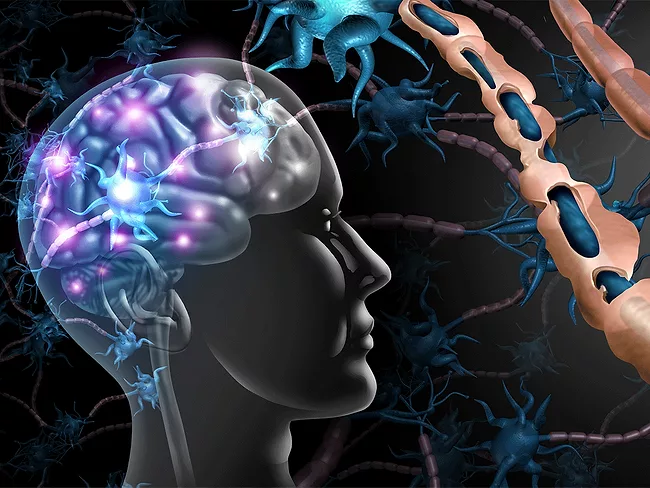
Abata Therapeutics Inc. has obtained FDA clearance for its IND application enabling initiation of a first-in-human study of ABA-101 in patients with progressive multiple sclerosis (MS). A phase I study will open later this year.
Brains from people with heroin use disorder have an increased number of hypocretin (Hcrt, orexin) neurons, which in turn are significantly smaller than in healthy controls. Meanwhile, human narcolepsy is known to present an average 90% loss of Hcrt neurons and no risk for drug abuse or overdose, even under methamphetamine or methylphenidate prescription, because of a greatly reduced reward activation of the ventral tegmental area (VTA).
Researchers have hypothesized that asparagine-linked glycosylation protein 3 homolog (ALG3) may be involved in the pathogenesis of preeclampsia by impacting the function of trophoblasts. Preeclampsia is still the leading cause of maternal and perinatal mortality and morbidity, but the mechanism behind it is still not clear.
Celgene Corp. has patented sphingosine 1-phosphate S1P5 receptor (EDG8) modulators reported to be useful for the treatment of Alzheimer’s disease and multiple sclerosis.
Bolt Biotherapeutics Inc. has designed new antibody-drug conjugates comprising humanized monoclonal antibody trastuzumab targeting HER2 covalently linked to thienoazepine derivatives acting as Toll-like receptor 7 (TLR7) and/or 8 (TLR8) agonists.
Avelos Therapeutics Inc. has discovered new substituted heterocyclic compound derivatives acting as serine/threonine-protein kinase greatwall (MASTL; GWL) inhibitors.
Several Grünenthal GmbH patents describe sodium channel protein type 10 subunit α (SCN10A; Nav1.8) blockers potentially useful for the treatment of pain.
Researchers from Southern Medical University and affiliated organizations assessed the molecular mechanisms behind TGF-β-induced fibrosis in ovarian endometrioma.
Multiple sclerosis (MS) is a chronic autoimmune demyelinating disorder in need of new treatment options. Inhibition of the phosphoinositide 3-kinase δ (PI3Kδ) pathway has shown efficacy in animals with experimental encephalomyelitis (EAE), a model of MS.

 RSS
RSS