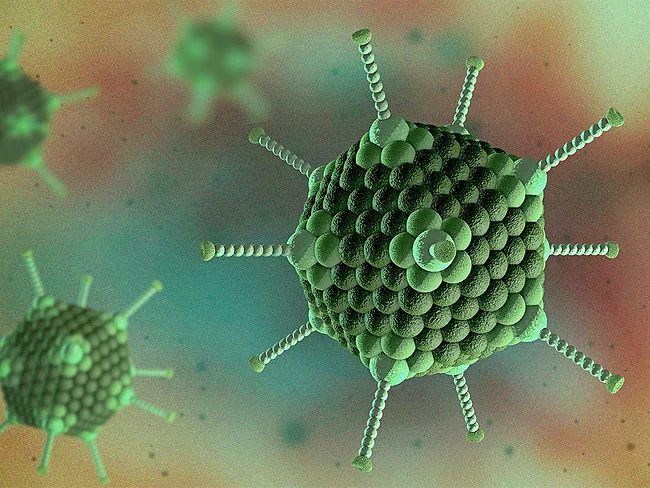
Previous preclinical studies of the prodrug of cidofovir, NPP-669, have shown its oral bioavailability, excellent metabolic and pharmacokinetic parameters, as well as its broad-range activity against dsDNA viruses in vitro.
The bromodomain and extraterminal (BET) subfamily contain two similar tandem bromodomains (BD1 and BD2). Selective inhibition of BD2 has been deeply explored; however, the obtention of selective and potent BD1 inhibitors is essential and still lacking.
A researcher at Australia’s Children’s Cancer Institute has been awarded a 3-year US$400,000 grant by the Chadtough Defeat DIPG Foundation to develop and test a new drug candidate for diffuse intrinsic pontine glioma (DIPG).
Researchers from Children’s Hospital Boston and affiliated organizations have reported the discovery and preclinical characterization of a novel TLR7/8 agonist adjuvant for vaccination, PVP-037.
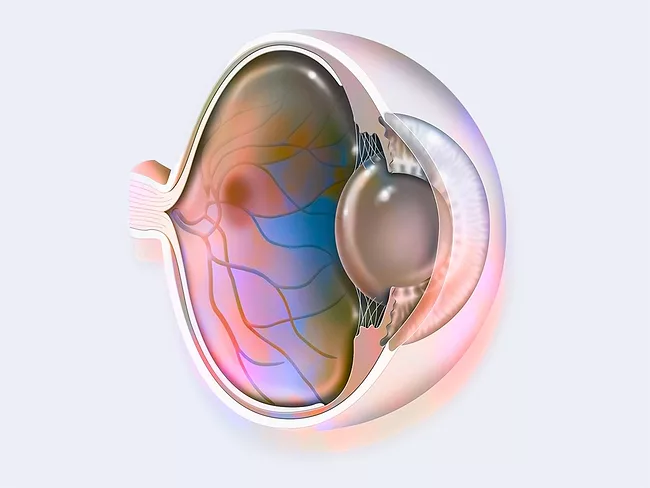
Nexthera Co. Ltd. has submitted an IND application to the FDA seeking to conduct a phase I/IIa trial with NT-101, a noninvasive eye drop treatment for wet age-related macular degeneration (AMD).
Previous studies have suggested the importance of cholesterol metabolism in multiple myeloma (MM) cells. Since ferroptosis is closely related to lipid metabolism, researchers from Houston Methodist Research Institute aimed to investigate the crosstalk between metabolic reprogramming and ferroptosis in MM cells.
BK polyomavirus (BKV) reactivation in immunocompromised renal transplant patients may result in BKV-associated nephropathy and hemorrhagic cystitis. There are no suitable animal models of BKV to date, and although there are several treatment options under development, none have reached regulatory approval so far.
Adherens junction-associated protein 1 (AJAP1) is a transmembrane protein that inhibits tumor cell migration and is a susceptibility gene for migraine. Recent hypotheses have pointed toward the potential involvement of AJAP1 in epilepsy and other neurological disorders.
University of Copenhagen has described cyclic peptides acting as postsynaptic density-95 (PSD-95) protein inhibitors reported to be useful for the treatment of neuropathic pain.
 RSS
RSS