Ose Immunotherapeutics SA has presented preclinical data on its mRNA therapeutic platform for the treatment of inflammatory and autoimmune disorders. The platform has been designed for the local delivery of mRNA into inflammatory tissue using lipid nanoparticles (LNPs). Interleukin-35 (IL-35) has been shown in preclinical studies to have a key role in controlling several immune-related disorders, including autoimmune diseases.
Astellas Pharma US Inc., a U.S. affiliate of Astellas Pharma Inc., has entered into a sponsored research agreement with the University of Massachusetts Medical School (UMass Chan Medical School) to conduct research for an AAV vector-mediated gene therapy for the treatment of Alexander disease.
Researchers from Incyte Corp. and collaborators presented the preclinical profile of INCB-160058, an ATP-competitive small-molecule inhibitor of the JAK2 V617F mutant sparing its wild-type (WT) form, designed for the treatment of JAC2 V617F mutation-positive myeloproliferative neoplasms with potential as a first-in-class JAK2 V617-inhibiting drug.
Medigene AG has selected its lead candidate for MDG-2021, a T-cell receptor engineered T-cell (TCR-T) therapy targeting KRAS G12D with human leukocyte antigen (HLA)-A*11 being developed in combination with the company’s PD1-41BB costimulatory switch protein (CSP) technology.
Exo Therapeutics Inc. has presented data on its preclinical program targeting TBK1/STING interaction of the cGAS-STING pathway. The company has identified potent, selective exosite-targeted TBK1/STING inhibitors, optimized properties toward development candidate nomination and demonstrated efficacy across preclinical models.
Aldeyra Therapeutics Inc. has expanded its novel reactive aldehyde species (RASP) modulator pipeline with the discovery and advancement of new RASP modulators for the treatment of inflammatory and metabolic diseases.
Bispecific CD20×CD3 T-cell engagers have shown efficacy in hematological malignancies; however, associated toxicities such as cytokine release syndrome and immune effector-associated neurotoxicity syndrome limit their use.
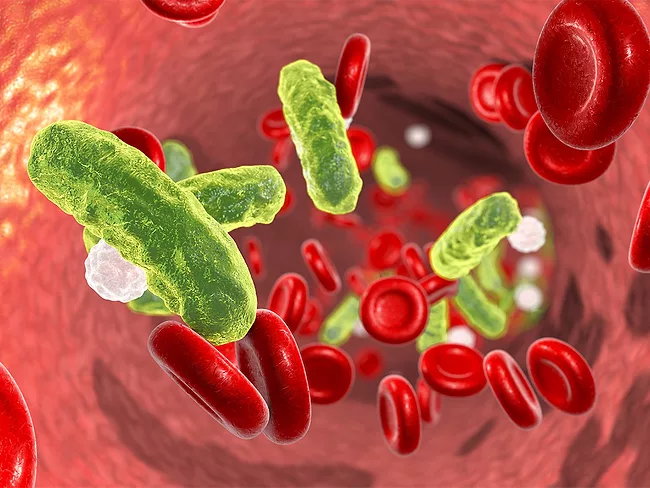
New research has pinpointed gene signatures that determine what immune responses will be activated in the development of sepsis, pointing to novel targets and opening the way for the stratification of clinical trials and for patients to be treated on the basis of their immune response, rather than their symptoms.
Helios-Huaming Biopharma Co. Ltd. has described protein-arginine deiminase type-4 (PADI4) inhibitors reported to be useful for the treatment of cancer, rheumatoid arthritis, multiple sclerosis, vasculitis, systemic lupus erythematosus, ulcerative colitis, cystic fibrosis and asthma, among others.
Exelixis Inc. has divulged membrane-associated tyrosine- and threonine-specific Cdc2-inhibitory kinase (PKMYT1) inhibitors reported to be useful for the treatment of cancer.
 RSS
RSS