Boehringer Ingelheim Pharma GmbH & Co. KG has disclosed dioxane derivatives acting as mGluR4 negative allosteric modulators reported to be useful for the treatment of neurodegeneration, metabolic disease, cancer, psychiatric disorders and neurological disorders.
Kinesin-like protein KIFC1 plays a role in the clustering of centrosomes in cancer cells and is being investigated in some types of cancer, concretely in melanoma.
Amphista Therapeutics Ltd. has unveiled a new mechanism of action for the degradation of the emerging oncology target BRD9 that is differentiated from cereblon- or VHL-based PROTACs.
Abdera Therapeutics Inc. has received FDA clearance of its IND application for ABD-147, the first δ-like ligand 3 (DLL3)-targeting radiopharmaceutical for the treatment of small-cell lung cancer (SCLC) and large-cell neuroendocrine carcinoma.
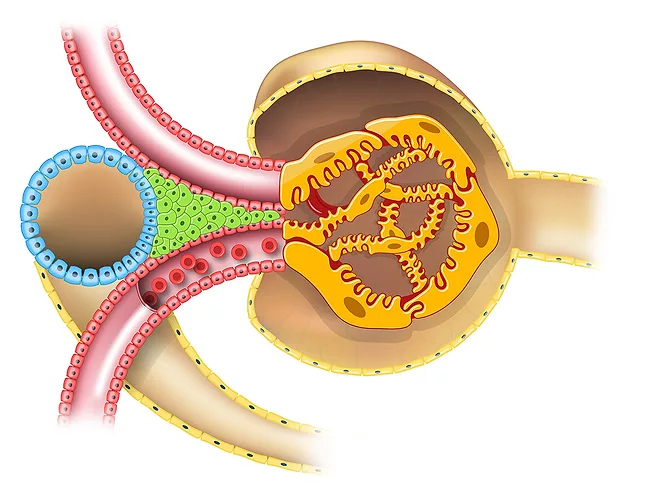
Podocytes are a terminally differentiated cell type located in the glomerulus. Podocyte damage and the subsequent dysregulation of podocyte proteins have been implicated in various kidney disorders. Since gene delivery to podocytes using adeno associated vectors (AAVs) has been challenging due to various technological and physiological hurdles, investigators at Purespring Therapeutics Ltd. developed an AAV gene therapy platform that allowed for effective, specific and safe delivery of transgenes to podocytes.
Degron Therapeutics Inc. has entered into a collaboration and exclusive license agreement with Takeda Pharmaceutical Co. Ltd. to discover and develop novel molecular glue degraders for multiple targets in oncology, neuroscience and inflammation.
Interstitial lung fibrotic disease (ILD) is characterized by inflammation and fibrosis of lung tissue and is associated with poor prognosis. Gat Therapeutics SL has developed GTX-011, an orally available small molecule for treating fibrotic diseases.
The potential of psychedelic substances such as lysergic acid diethylamide (LSD) and psilocybin in treating various neuropsychiatric disorders has received increased attention in recent times. These compounds are believed to exert their effects through the serotonin 5-HT2A receptor.
Treatment with indoleamine dioxygenase-1 (IDO1) inhibitors reduced both viremia and B cell transformation in animal models of post-transplant lymphoproliferative disorder (PTLD), while IDO1 up-regulation occurred in patients who would go on to develop PTLD. The findings, which were reported in the May 24, 2024, issue of Science by researchers from the University of Basel and the University Hospital Basel, point to new ways to predict, prevent and treat complications of Epstein-Barr virus (EBV) infection.
 RSS
RSS