Several metabolic alterations, including a preferential use of aerobic glycolysis, facilitate autonomous proliferation and survival of tumor cells. Although previous research suggested that active glycolysis in tumor cells is closely linked to genetic alterations, the underlying regulatory mechanisms remained unknown.
Researchers from the Peking University Health Science Center have developed a murine model of RSV infection based on the knockout of the Rag2 gene using CRISPR/Cas9 (Rag2-/- mice).
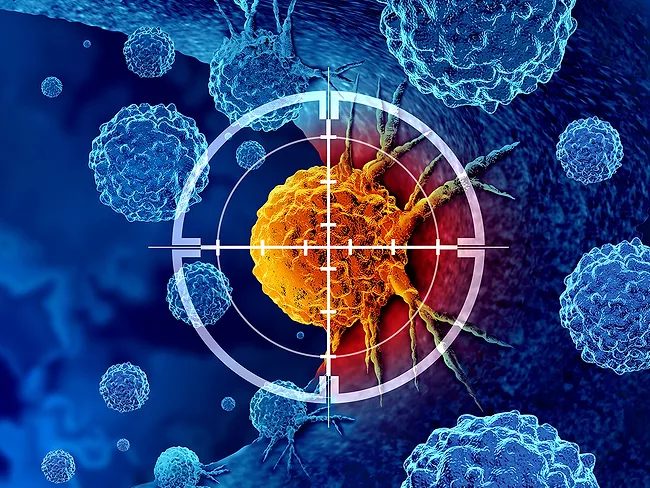
Researchers from University of California Los Angeles and affiliated organizations published data from a study that aimed to identify novel surface proteins that are highly and selectively expressed in tumors and could serve as targets for chimeric antigen receptor (CAR) T-cell therapies for the treatment of melanoma.
Mice are frequently used as models to test novel candidate compounds during drug discovery and development. However, many compounds show efficacy against the drug target in vitro but present poor pharmacokinetic properties in mice due to the high metabolism rates.
Researchers from the University of Illinois at Chicago and Harvard University have published details on the chemical synthesis and microbiological evaluation of a ribosome-binding antibiotic – cresomycin (CRM) – that was able to overcome antimicrobial resistance of major pathogenic bacteria including Escherichia coli, Staphylococcus aureus, Pseudomonas aeruginosa and others.
Novel pyrimidinyl and triazinyl sulfonamide derivatives acting as uracil nucleotide/cysteinyl leukotriene receptor (GPR17; P2Y-like) antagonists have been reported in an F. Hoffmann-La Roche Ltd. and Hoffmann-La Roche Inc. patent.
A Nanjing Suzhong Pharmaceutical Research Co. Ltd. and Suzhong Pharmaceutical Group Co. Ltd. patent describes phenyl-substituted dihydronaphthyridine compounds acting as mineralocorticoid receptor (MR) antagonists potentially useful for the treatment of aldosteronism, cirrhosis, diabetic nephropathy, heart failure, hypertension, myocardial infarction, renal failure and stroke.
 RSS
RSS


.webp?height=488&t=1708619318&width=650 "Co-culture that shows the CAR T-cell clusters attacking the tumor cells (in green)")
