Researchers at the University of Ottawa have reported on the use of vanoxerine as a suppressor of CSC tumorigenic activity in preclinical models of colorectal cancer.
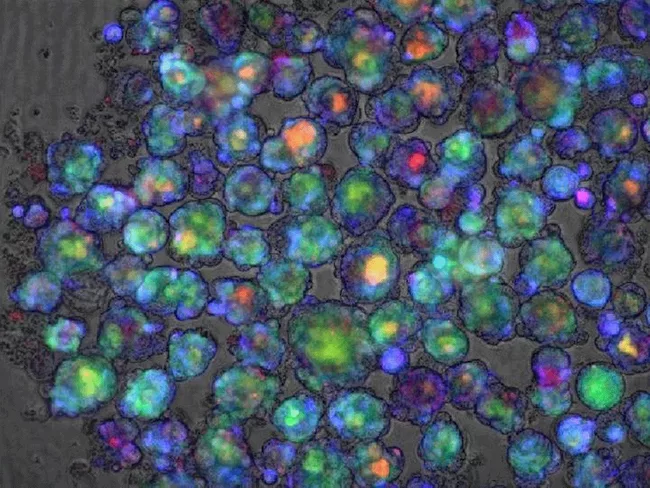
Vidac Pharma Holdings plc has released promising results for VDA-1275 in mouse cancer and human cellular organoid models of solid tumors, with VDA-1275 showing efficacy as a monotherapy and synergistic effects in combination with sorafenib and cisplatin.
In a recent study, researchers from Technische Universität Dresden and affiliated organizations evaluated the novel small-molecule inhibitor of the CBP/p300 HAT domain, A-485, as a potential therapeutic candidate for the treatment of hematological cancers and other pathologies related to blood leukocyte compartment.
The biological processes giving rise to the central nervous system symptoms of long COVID remain a mystery. But multiple studies suggest they do not appear to be a result of a direct viral infection of brain tissue. The latest such research, which appeared online in Nature Neuroscience on Feb. 16, 2024, demonstrated that local immune response in brain tissues persisted long after SARS-CoV-2 virus had disappeared.
Genescience Pharmaceuticals Co. Ltd. has described cannabinoid CB2 receptor agonists reported to be useful for the treatment of arthritis, systemic lupus erythematosus, inflammatory bowel disease, allergic contact dermatitis, colitis, autoimmune diseases and pain.
Shanghai Sinotau Biotech Co. Ltd. has identified tyrosine-protein phosphatase non-receptor type 13 (PTPN13; FAP-1; PTP-1E) inhibitors reported to be useful for the treatment of cancer.
Shanghai Boyue Biotechnology Co. Ltd. has disclosed hepatocyte growth factor receptor (HGFR; MET) and tyrosine-protein kinase receptor UFO (AXL) inhibitors reported to be useful for the treatment of cancer.
 RSS
RSS