Researchers from The Second Hospital and Yuying Children’s Hospital of Wenzhou Medical University have published results of the preclinical characterization of a novel curcumin analogue, CP-41, being developed as a potential anticancer agent.
Second Affiliated Hospital of Wenzhou Medical University investigators have assessed the functions of FBXO28 on proliferation, migration and invasion in ovarian cancer.
Phyllodes tumors (PTs) are rare, fibroepithelial tumors of the breast that can arise as benign, borderline or malignant. Little is known about the molecular mechanisms behind their occurrence, and it is easy to misdiagnose them as other histologically similar tumors, such as metaplastic breast cancer. It was hypothesized that DNA methylation could be a helper here.
Previous research has shown that the three isoforms of transforming growth factor β (TGF-β) have distinct cellular expression patterns, with TGF-β2 and TGF-β3 expression being specifically elevated in human fibrotic lung and liver tissue. Since pan-TGF-β inhibition had proven to be toxic for chronic use, in recent work, researchers from Genentech Inc. aimed to assess whether specifically targeting one of the TGF-β isoforms could represent a novel therapeutic option for patients with chronic fibrotic disorders.
Japanese researchers have presented data from the biggest Asian genome-wide association study (GWAS) regarding susceptibility loci for systemic sclerosis (SSc), comprising a total of 1,428 cases and 112,599 controls and with an imputation reference panel containing more than 3,000 Japanese whole-genome sequencing data.
Windtree Therapeutics Inc. has renewed its partnership with Chang Gung University to further research on SERCA2a, an important target for the company’s cardiovascular portfolio.
Graviton Bioscience Corp. has announced a strategic investment from Sanofi SA. Under the agreement, Sanofi receives a right of first negotiation to license compounds across various indications, including immunological and metabolic syndrome indications.
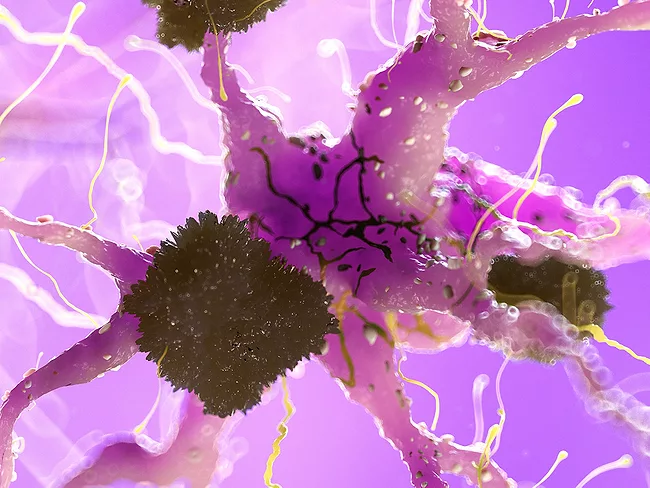
Igc Pharma Inc. has reported additional results of preclinical studies investigating TGR-63, a potential treatment for Alzheimer’s disease. TGR-63 is designed to disrupt the structure of the amyloid-β (Aβ) peptide, one of the key hallmarks of Alzheimer’s.
The European Chemicals Agency (ECHA) has contracted a consortium to conduct scientific studies on the reliability and relevance of new approach methodologies (NAMs) as alternatives to animal testing and to promote the use of such methods in the future.
Evidence from research has pointed to a positive correlation between high glucocorticoid levels and the advancement of Huntington's disease (HD). Researchers from Leiden University Medical Center and Corcept Therapeutics Inc. have reported on the evaluation of CORT-113176 (dazucorilant), a glucocorticoid receptor antagonist, in mouse models of HD.

 RSS
RSS