Incyte Corp. has developed fused tricyclic compounds acting as GTPase KRAS (mutant) inhibitors. As such, they are reported to be useful for the treatment of cancer, inflammation and immunological disorders.
Work at Jnana Therapeutics Inc. has led to the identification of sodium-dependent neutral amino acid transporter B(0)AT1 (SLC6A19) inhibitors reported to be useful for the treatment of diabetes, chronic kidney disease, metabolic dysfunction-associated steatohepatitis (MASH), phenylketonuria, metabolic syndrome, obesity, neurodevelopmental and autism spectrum disorders, among others.
Protein arginine N-methyltransferase 5 (PRMT5) inhibitors have been disclosed in an Abbisko Therapeutics Co. Ltd. patent and described as potentially useful for the treatment of cancer.
F. Hoffmann-La Roche Ltd. and Hoffmann-La Roche Inc. have described new 5’-nucleotidase (CD73) inhibitors reported to be useful for the treatment of cancer.
Researchers from National Taiwan University combined the structural features of purine-type microtubule-disrupting compounds and histone deacetylase (HDAC) inhibitors, which led to the discovery of a novel series of dual-targeting compounds, with the purine-hydroxamate conjugate [I] selected as the lead candidate.
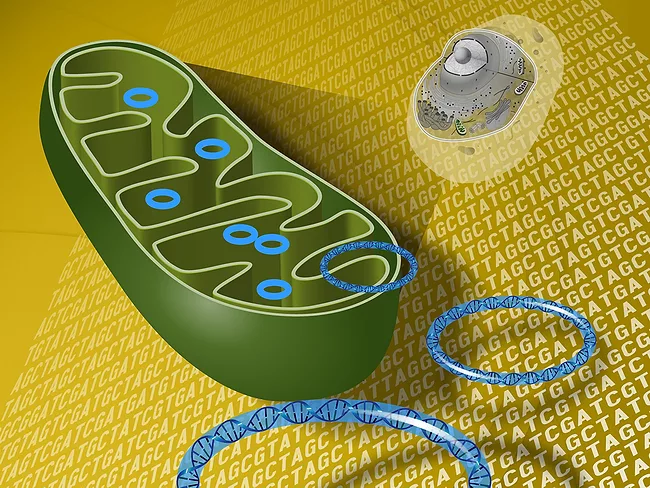
Mitochondrial DNA (mtDNA) is comprised of two strands, the light and the heavy one. The latter is rich in guanine and tends to form G-quadruplexes (mtG4s) which are more prevalent in cancer cells and are considered an emerging therapeutic target in cancer treatment.
The main causes of vascular cognitive impairment and dementia (VCID) are the breakdown of the blood-brain barrier, reactive astrogliosis and loss of myelination, but its molecular and cellular mechanisms are not clear enough.
Noise-induced hearing loss is still the most common cause of acquired hearing loss nowadays. The mechanisms behind this may be explained through inflammatory responses in the cochlea after acoustic trauma.

 RSS
RSS