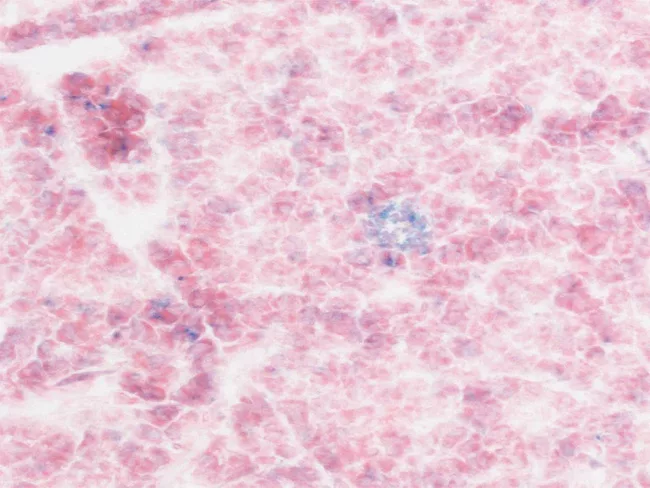
The activation of PERK signaling triggers angiogenesis, migration and dissemination of cancer cells, and for that reason, the therapeutic blockade of the PERK pathway is a target to watch in cancer therapy. Researchers from Chongqing Medical University reported on the preclinical efficacy and molecular mechanism of CCT-020312, a selective PERK activator, in prostate cancer models.
CAR T cells could be repurposed to target senescent cells and delay the effect of aging. A study by scientists at Cold Spring Harbor Laboratory showed how to design them and demonstrated the advantages of this therapy in mice. “We only gave one dose, and we could have benefits [for] really long periods of time,” lead author Corina Amor told BioWorld.
Investigators have identified five cases of so-called iatrogenic Alzheimer’s disease (AD), that is, AD that was acquired as a result of undergoing medical procedures. A team led by University College London scientists reported their findings online in Nature Medicine on Jan. 29, 2024.
Institute of Cancer Research UK has described lysyl oxidase homolog 2 (LOXL2) inhibitors reported to be useful for the treatment of cancer and fibrosis.
Bioversys AG has divulged compounds with the ability to interact with accessory gene regulator A (AgrA) and inhibit the expression of AgrA-regulated virulence factors.
Dana-Farber Cancer Institute Inc. has identified proteolysis targeting chimeras (PROTACs) comprising an E3 ubiquitin ligase ligand binding moiety covalently linked to an histone deacetylase 6 (HDAC6)/8 (HDAC8)-targeting moiety through a linker.
Sanofi SA has synthesized cyclic peptides acting as IL-23 receptor (IL-23R) antagonists reported to be useful for the treatment of psoriasis, Crohn’s disease, ulcerative colitis, psoriatic arthritis and hidradenitis suppurativa.
Zentaur Therapeutics USA Inc. has disclosed ubiquitin carboxyl-terminal hydrolase 1 (USP1) inhibitors reported to be useful for the treatment of cancer.
Although esketamine, the S-isomer of ketamine, has been approved for treatment-resistant depression, limitations such as dissociative and sedative effects or poor oral bioavailability restrict its use to parenteral dosing and supervised administration.
Ractigen Therapeutics Co. Ltd. has entered into a formal collaboration with University Medical Center Utrecht, affiliated with Utrecht University, to advance the development of small activating RNA (saRNA)-based treatments for a spectrum of intractable neurodevelopmental disorders.

 RSS
RSS