Novel effective antivirals against SARS-CoV-2 are needed because of the emergence of novel variants and the potential risk of SARS-CoV-2/MERS-CoV recombination. The SARS-CoV-2 main protease (Mpro) is a promising antiviral target. Mpro presents a His41-Cys145 catalytic dyad in the central part of its active site, which confers a natural advantage for developing covalent drugs.
Bicycle radionuclide conjugates (BRCs) have been developed as a unique radiotheranostic modality for imaging and targeting of proteins overexpressed by tumors, and they possess favorable drug-like properties allowing for effective delivery of radioisotopes. Researchers from Bicycletx Ltd. recently presented a new BRC that targets ephrin type-A receptor 2 (EphA2), named BCY-18469.
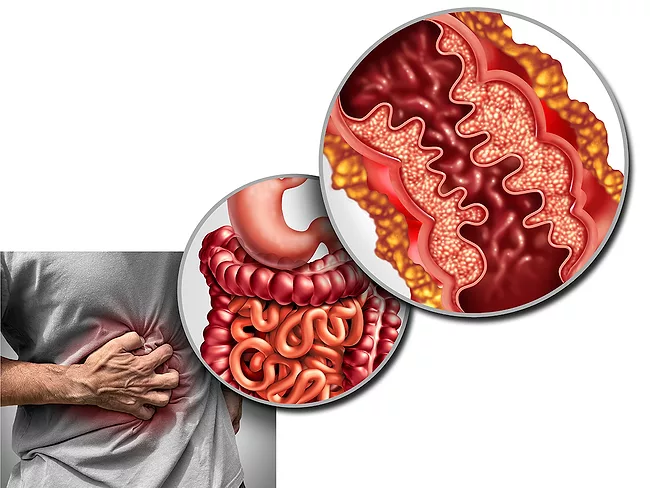
In the gastrointestinal tract, intraepithelial lymphocytes are tasked with protecting the epithelium against pathogens and participating in wound repair and correct mucosal barrier functioning. In a study published in the Sept. 15, 2023, issue of Science, researchers at King’s College London and collaborators have identified a specific subset of gamma-delta (γδ) T cells in the human gut, Vγ4 cells, which seems to protect against inflammatory bowel disease (IBD) progression.
Research at Medshine Discovery Inc. has led to the development of 3C-like proteinase (3CLpro; Mpro; nsp5) (SARS-CoV-2; COVID-19 virus) inhibitors potentially useful for the treatment of SARS-CoV-2 infection (COVID-19).
Jiangsu Hengrui Medicine Co. Ltd. and Shanghai Hengrui Pharmaceutical Co. Ltd. have divulged new soluble guanylate cyclase (sGC) activators reported to be useful for the treatment of chronic obstructive pulmonary disease, fibrosis, psoriasis, erectile dysfunction, multiple sclerosis, heart failure, overactive bladder and neuropathic pain, among others.
Researchers at the University of Bonn and Westfälische Wilhelms-Universiteit Münster have prepared labeled compounds acting as 5’-nucleotidase (CD73) inhibitors.
Sanofi SA has identified thienopyrrolotriazine compounds reported to be useful for the treatment of multiple system atrophy, frontotemporal dementia, multiple sclerosis, amyotrophic lateral sclerosis, brain injury, Alzheimer’s and Parkinson’s disease.
Amgen Inc. has patented new quinazoline compounds acting as GTPase KRAS (G12D mutant) inhibitors and thus reported to be useful for the treatment of cancer.
Carbonic anhydrase IX (CAIX) is a transmembrane protein involved in cell proliferation and transformation that is expressed in clear-cell renal cell carcinoma (ccRCC), colorectal cancer (CRC), and other hypoxic tumor types, but has low expression in healthy tissues.
Calcineurin inhibitors used in clinics – including immunosuppressants for transplant rejection and autoimmune disease treatment – may cause persistent hypertension. Calcineurin inhibitors elevate sympathetic vasomotor activity by decreasing calcineurin activity and potentiating N-methyl-D-aspartate receptor (NMDAR) activity in the hypothalamus. However, how these inhibitors promote NMDAR activity in the hypothalamic paraventricular nucleus to increase sympathetic vasomotor activity remains unknown.
 RSS
RSS