Chemocentryx Inc. has divulged chemokine CXCR6 receptor antagonists reported to be useful for the treatment of cancer, autoimmune hepatitis, ischemia-reperfusion injury, myocardial ischemia, autoimmune disease and inflammatory disorders.
Tencent Technology (Shenzhen) Co. Ltd. has synthesized lysine-specific histone demethylase 1A (KDM1A; LSD1) inhibitors reported to be useful for the treatment of cancer.
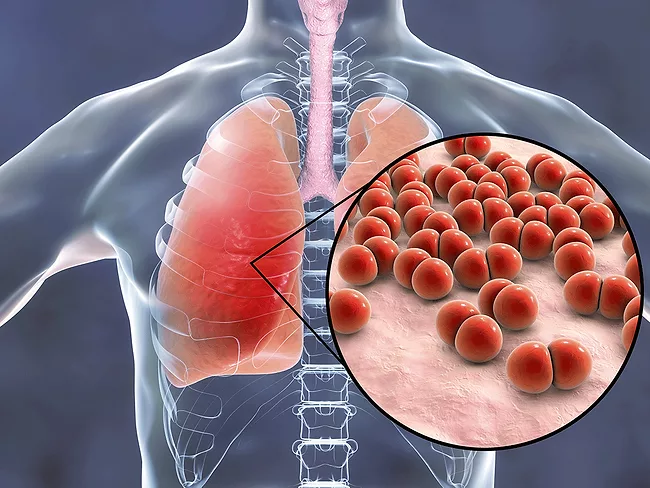
Vaxcyte Inc. has received FDA clearance of its IND application for VAX-31, a 31-valent pneumococcal conjugate vaccine (PCV) candidate designed to prevent invasive pneumococcal disease.
Sab Biotherapeutics Inc. has obtained human research ethics committee (HREC) approval in Australia to commence a first-in-human phase I trial investigating SAB-142 for type 1 diabetes.
Antibody-drug conjugates (ADCs) are effective anti-cancer agents in a wide variety of solid and hematologic cancers. CD30 (TNFRSF8), a member of the TNF receptor superfamily is the target of antibody drug conjugate Adcetris (brentuximab vedotin/BV, Seagen Inc.) approved for use in multiple CD30-expressing lymphomas.
Activated phosphoinositide 3-kinase δ syndrome type 1 (APDS1) is a rare disease caused by gain-of-function (GOF) mutations in the PIK3CD gene that presents with combined immunodeficiency due to decreases in IgA, IgG, naive CD4 and naive CD8 cells. Nearly all APDS1 patients suffer from recurrent respiratory tract infections with most presenting with bronchiectasis and chronic viral infections.

 RSS
RSS