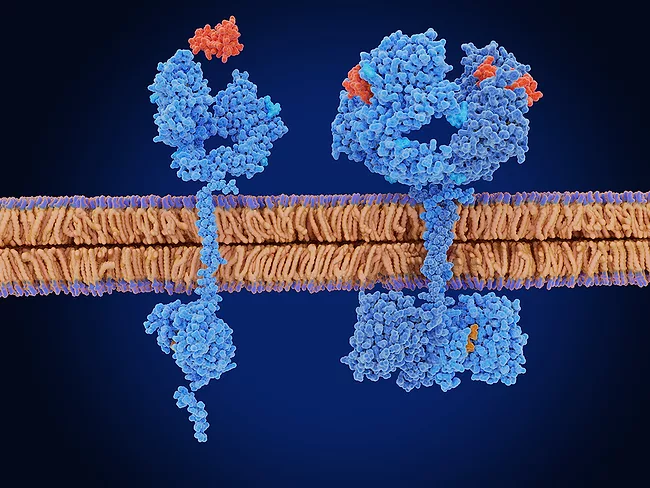
Leukemic cells rely on excessive mitochondrial respiratory and energy metabolism. Therefore, targeting mitochondrial proteases has been proposed as a potential approach to improve therapeutic regimens for acute myeloid leukemia (AML). The mitochondrial caseinolytic protease P (ClpP), located in the mitochondrial matrix, maintains protein quality by mediating the proteolytic hydrolysis of damaged proteins. The chaperone ClpX regulates this hydrolysis and is overexpressed in AML, thus providing a rationale for using ClpP agonists to disrupt AML proliferation.
Cytomed Therapeutics Ltd. has signed a memorandum of understanding (MOU) with Hangzhou CNK Therapeutics Co. Ltd. allowing Cytomed to utilize CNK's Piggybac technology to permanently graft the chimeric antigen receptor (CAR) gene into its γδ T cells via a non-viral gene editing method.
Dicot AB has received clearance from the Swedish Medical Products Agency to begin a first-in-human trial with LIB-01, a potency agent to treat erectile dysfunction and premature ejaculation.
Ibio Inc. has announced promising in vivo data for three immuno-oncology candidates, anti-EGFRvIII, CCR8 and a bispecific TROP-2 x CD3, advancing these programs to clinical candidate selection stage.
Immpact Bio USA Inc. has received FDA clearance of its IND application for IMPT-514, a bispecific CD19/CD20 chimeric antigen receptor (CAR) T therapy for the treatment of active, refractory systemic lupus erythematosus (SLE).
A new drug that inhibits the glutamate carboxypeptidase II (GCPII) enzyme could be used to treat inflammatory bowel disease (IBD), according to a new study in mice and human organoids. After decades of research trying to design GCPII inhibitors against neurological disorders, the new compound could be effective for another use.
By using machine learning techniques to scour electronic health records, researchers have identified individuals who were likely to have binge eating disorder (BED) but had not received a formal diagnosis. Genomewide association studies including such patients enabled the investigators to identify several risk variants that were correlated with BED irrespective of body mass index (BMI), which covaries with BED and is a potential confounding factor.

 RSS
RSS