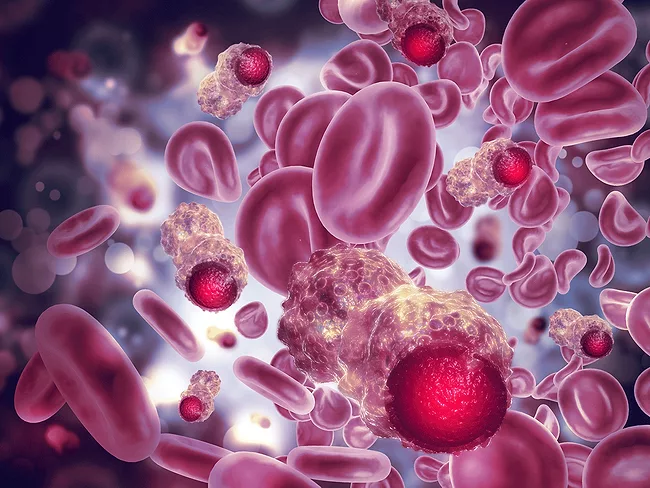
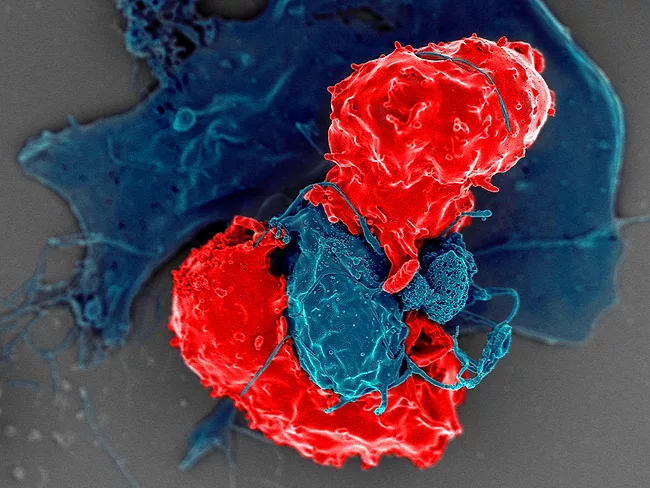
Omeros Corp. has successfully completed its initial study in nonhuman primates evaluating the efficacy and safety of its Oncotox-AML cancer therapeutic platform for acute myeloid leukemia (AML). Oncotox-AML is an engineered biologic designed to selectively kill both AML blasts and relapse-related leukemia stem cells.
Cue Biopharma Inc. has reported preclinical safety and tolerability data on CUE-401, the company’s lead asset for autoimmune and inflammatory diseases. CUE-401 is designed to act mechanistically both as a regulator of pro-inflammatory mechanisms, and as a master switch for regulatory T cell (Treg) differentiation to induce tolerance.
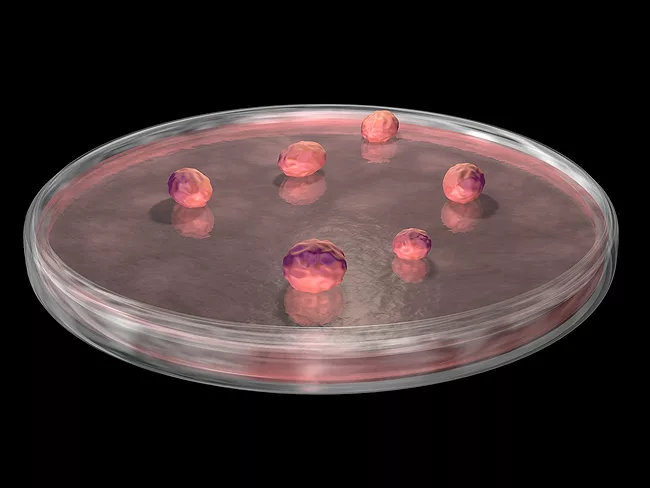
The variety of organoids that can be developed in vitro is enabling major advances. Depending on the type of tissues and the research goals, these small 3D cell-based structures that mimic real tissue offer certain advantages over animal models. Scientists at the University of Padova in Italy have created human neuromuscular organoids to reproduce cancer-induced muscle cachexia, a condition that murine models do not accurately replicate.
Ascentage Pharma Group Corp. Ltd. and Ascentage Pharma (Suzhou) Co. Ltd. have disclosed proteolysis targeting chimera (PROTAC) compounds comprising E3 ubiquitin ligase-binding moiety covalently linked to a Bruton tyrosine kinase (BTK)-targeting moiety. They are reported to be useful for the treatment of cancer.
Merna Therapeutics Inc. has discovered polypeptides targeting sortilin (neurotensin NTR3; NT3; Gp95) receptor. They are reported to be useful for the treatment of cancer.
Nanjing Anji Biotechnology Co. Ltd. has patented micropeptides regulating cholesterol metabolism and thus reported to be useful for the treatment of obesity, atherosclerosis, age-related macular degeneration, hyperlipidemia, fatty liver, liver fibrosis, liver cancer and coronary heart disease, among others.
The Institut National De La Santé et de la Recherche Médicale, Université de Bordeaux and Université de Paris Cité have synthesized N-phenyl-quinoline-4-carboxamide compounds acting as furin (PACE; PCSK3) inhibitors. They are reported to be useful for the treatment of cancer.
Hunter syndrome, also called mucopolysaccharidosis II, is an X-linked genetic lysosomal disorder caused by loss-of-function mutations in the IDS gene, encoding iduronate-2-sulfatase (I2S). I2S is a lysosomal enzyme responsible for the cleavage of glycosaminoglycans (GAGs), and its deficiency results in accumulation of GAGs leading to a multisystemic disorder.
Current therapies for chronic obstructive pulmonary disease (COPD) alleviate symptoms, but do not deal with disease progression. Respiratory mucus is primarily made up of mucins, of which mucin 5AC (MUC5AC) is the most predominant in COPD. It was hypothesized that mitochondria may control the expression of MUC5AC in COPD airway epithelium by modulating intracellular reactive oxygen species (ROS) levels.
 RSS
RSS