Head and neck squamous cell carcinoma (HNSCC), which makes up the majority of head and neck cancers, is an aggressive disease with a poor prognosis despite current multimodal treatments. Its progression is strongly linked to immune evasion and impaired immune signaling, highlighting the urgent need for new diagnostic and prognostic biomarkers to improve patient outcomes.
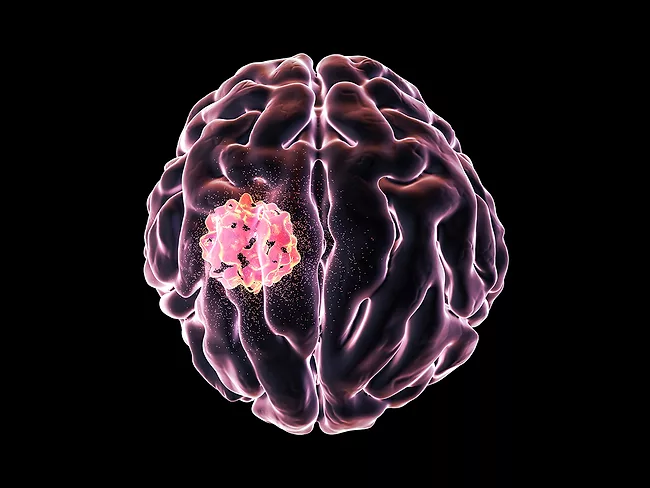
Glioblastoma (GBM) is an aggressive cancer from the CNS usually characterized by a very bad prognosis. It is known that around 30%-35% of patients with GBM develop epilepsy as a comorbidity of the disease.
Pancreatic ductal adenocarcinoma (PDAC) accounts for more than 90% of cases of pancreatic cancer, and prognosis for PDAC remains poor despite treatment advances. One reason is that PDAC downregulates the display of antigens on the surface of tumor cells, helping it evade the patient’s immune system and therapies involving immune checkpoint inhibitors.
Hepatocellular carcinoma (HCC), which accounts for up to 80% of cases of primary liver cancer, is typically diagnosed in an advanced stage, meaning a poor prognosis. Understanding what drives progression may help identify proteins and pathways that can be targeted to slow down the disease.
Some deubiquitinating enzymes may help protect against cancer, but others appear to promote it. Researchers from the First Affiliated Hospital of Zhejiang University have discovered that the deubiquitinator PSMD14 helps drive bladder cancer, and they have defined at least one signaling pathway through which it works, opening up possibilities for development of new treatments.
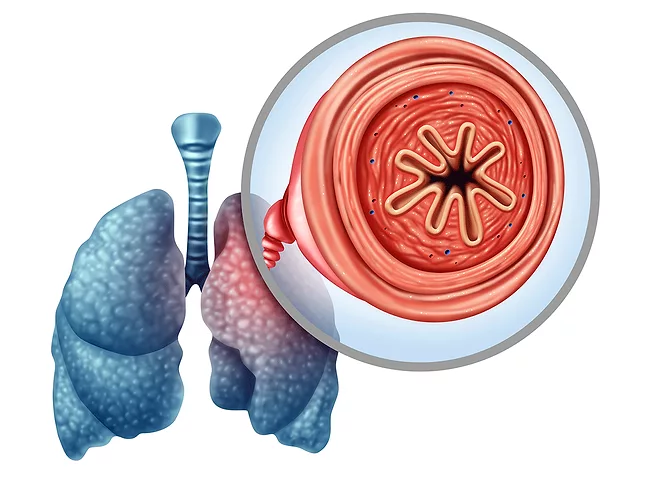
Researchers at Jilin University and collaborators combed through data in the public Cancer Genome Atlas and identified a potential target for lung adenocarcinoma.
Individuals with autoimmune diseases affecting the thyroid can suffer eye complications in the form of Graves’ orbitopathy, in which inflammation in and around the orbit leads to eyelid retraction, eye bulging and other symptoms.
Solute carrier family 25 member 19 (SLC25A19) is a transporter protein of thiamine pyrophosphate across cellular membranes, which is needed as a cofactor for multiple metabolic enzymes and is important for homeostasis regulation. It was hypothesized that SLC25A19 may be a pan-cancer marker and a therapeutic target, and more concretely in hepatocellular carcinoma (HCC).
 RSS
RSS