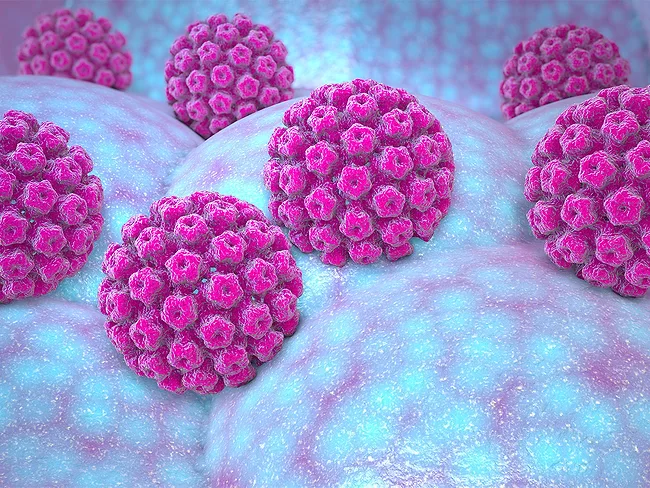
A group of scientists at Shanghai Virogin Biotech Co. and Zhujiang Hospital in China designed a new mRNA vaccine that could prevent tumor formation associated with human papillomavirus 16 (HPV16) and also reduce its size if used as a treatment.
Altamira Therapeutics Ltd. has entered into a collaboration agreement with Univercells SA to evaluate the use of the company’s proprietary Semaphore platform for the delivery of mRNA vaccines.
Ono Pharmaceutical Co. Ltd. has entered into a drug discovery collaboration agreement with the University of Oxford to verify drug discovery seeds and obtain screening compounds for the creation of new medicines.
Deep learning algorithms have enabled the discovery of molecular structures of interest in biomedicine to design treatments against aggressive diseases such as idiopathic pulmonary fibrosis (IPF). Scientists at Insilico Medicine Inc. selected a target for IPF using artificial intelligence (AI), then designed an inhibitor to block it, and tested it in vitro, in vivo, and in clinical trials.
Samsung Life Science Fund, created jointly between Samsung Biologics Co. Ltd., Samsung Bioepis Co. Ltd. and Samsung C&T, and managed by Samsung Venture Investment Corp., and Brickbio Inc. have announced Samsung’s investment in preclinical-stage biopharmaceutical company Brickbio.
The University of California, Berkeley has announced the launch of the UC Berkeley Molecular Therapeutics Initiative (MTI) designed to accelerate drug discovery. The aim is to bridge fundamental research in rare neurological and metabolic diseases with drug discovery to identify and accelerate novel therapeutic modalities into the clinic.
Sangamo Therapeutics Inc. has reported data from nonhuman primate (NHP) studies showing the potential of its proprietary AAV capsid variant, STAC-BBB, as a neurotropic capsid when administered intravenously at clinically relevant doses. STAC-BBB outperformed results for other evaluated neurotropic capsid variants.
Transcode Therapeutics Inc. has reported promising proof-of-concept laboratory studies in human cells, advancing its strategic partnership with Akribion Genomics AG.
Overall, the story of HIV is one of astounding success. But to declare victory, it will be necessary to develop a vaccine. The opening session of the 31st Conference on Retroviruses and Opportunistic Infections (CROI) 2024 looked back to the failures but also the advances in research, all the steps that over the years brought the basic science knowledge that could bring an HIV vaccine in the future. This year, the former director of the Viral Pathogenesis Laboratory at the NIAID Vaccine Research Center, Barney Graham, was named for the Bernard Field Lecture, where he presented “Modern vaccinology: a legacy of HIV research.”
An Italian group of researchers has used zinc finger editing to silence the PCSK9 gene and improve blood cholesterol levels in mice by applying a single dose of their modifier. The epigenetic-based method could be an alternative to genome editing.
 RSS
RSS