JCR Pharmaceuticals Co. Ltd. has signed a research collaboration, option and license agreement with Alexion, Astrazeneca Rare Disease, part of Astrazeneca plc, for the development of novel oligonucleotide therapeutics with targeted delivery to certain tissues or organs using J-Brain Cargo, JCR’s proprietary blood-brain barrier-penetrating technology.
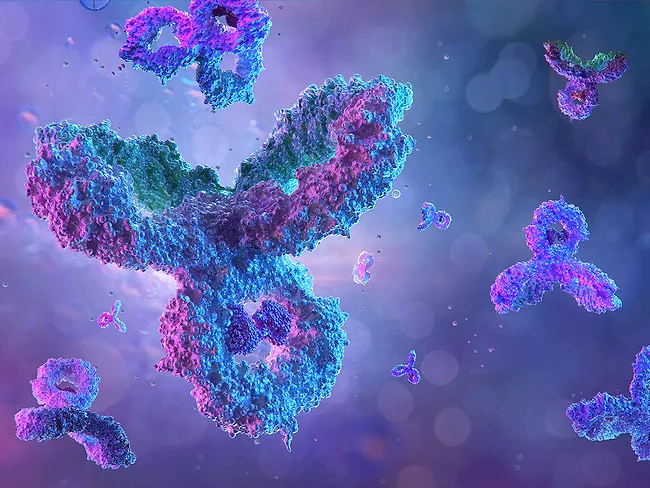
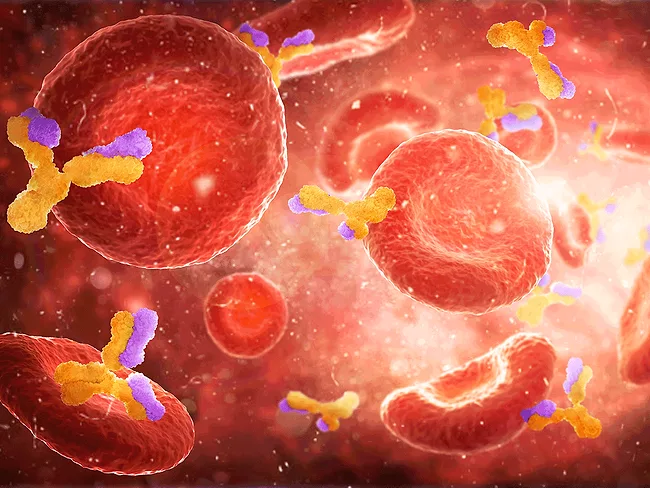
Scientists at Regeneron Pharmaceuticals Inc. have found a new way to permanently stop allergy through a combination of therapies that prevents the production of antibodies in secondary lymphoid organs and in bone marrow. The approach was tested in vivo in cynomolgus monkeys and in a mouse model.
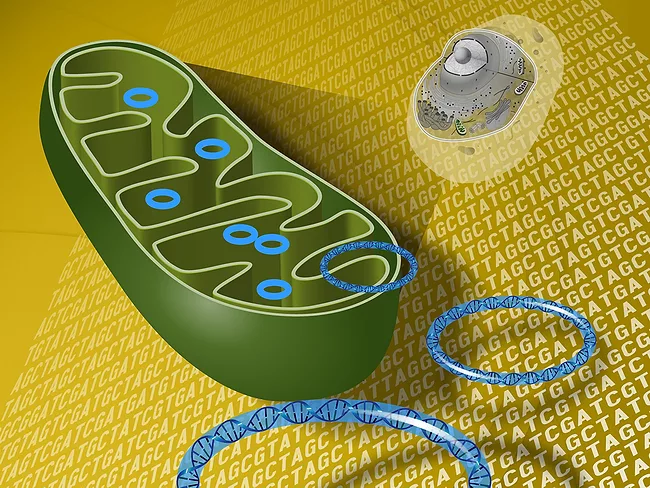
Although there are different methods of nuclear gene editing, there are still no effective treatments against mitochondrial disorders due to genetic alterations. Now, a group of researchers at Precision Biosciences Inc. and the University of Miami (UM) has developed a genetic edition platform that targets mitochondrial DNA (mtDNA) to delete its mutations.
“The ARCUS technology that we use is based on an enzyme found in nature called I-CreI. It is an enzyme that recognizes a 22 base pair DNA sequence within a species of green algae. And when it finds that DNA sequence, it will generate double-strand breaks,” first author Wendy Shoop, a scientist at Precision Biosciences, told BioWorld.
Terray Therapeutics Inc. has established a multi-target collaboration agreement with Bristol Myers Squibb to discover and develop small-molecule therapeutics in certain disease areas.
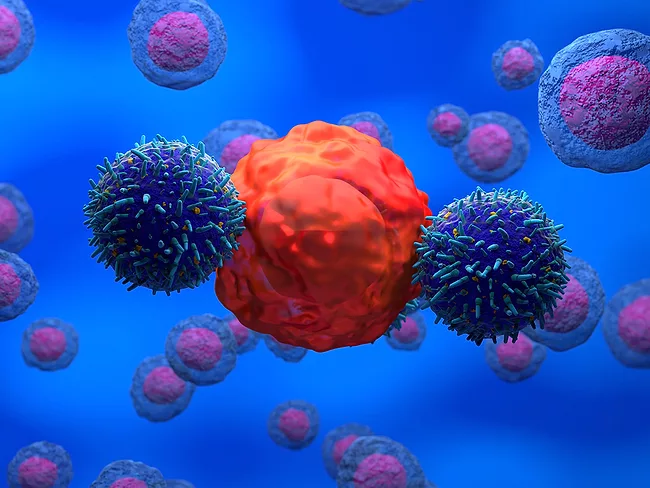
Researchers have developed a new approach for the development of improved CAR T cells with bifunctional degraders, which linked ubiquitin to an endogenous target protein. The key to the design was the use of multispecific protein degraders and E3 ligases, which increased the proliferation of CAR T cells and their antitumor potency. This combination can be adapted to different uses of cell therapies.
Researchers from New York University College of Dentistry’s Pain Research Center in collaboration with the University of Pittsburgh found a candidate for chronic pain treatment among a library of 27 million compounds.
Novel approaches are needed to improve anti-inflammatory drug delivery to the brain, particularly to glial cells, in order to reduce neuroinflammation.
Postera Inc. has announced a multitarget collaboration with Amgen Inc. that seeks to leverage Postera’s artificial intelligence (AI) platform, Proton, an innovation in generative chemistry and synthesis-aware design, and Amgen’s drug discovery expertise, to advance up to five small-molecule programs.

 RSS
RSS