Researchers have reported that the predictive abilities of a machine learning algorithm trained using best practices on a large clinical dataset did not generalize beyond the data that was used to train it. The algorithm was able to predict, to a degree, which individual patients would benefit from the medication when the patients were from the dataset the algorithm was trained on. But when it was supposed to predict who would benefit in clinical cohorts that were not part of the training, it performed no better than chance.
Vantai Inc. has entered into an amended and restated collaboration and license agreement with Blueprint Medicines Corp. to design and advance novel targeted protein degrader therapies.
The field of peptides is exploding, Perpetual Medicines Corp. co-founder, chairman and CEO Kerry L. Blanchard recently told BioWorld, “with a projected growth rate far surpassing large and small molecules, and gene therapies. The area is underinvested, too, so this is a good opportunity to focus on peptide therapeutics.” Blanchard, who was most recently CEO of Shanghai-based Everest Medicines Ltd. and previous chief scientific officer (CSO) of China’s Innovent Biologics Co. Ltd., is now spearheading efforts to develop novel peptide therapeutics at his own biotech, Perpetual, founded in March 2023.
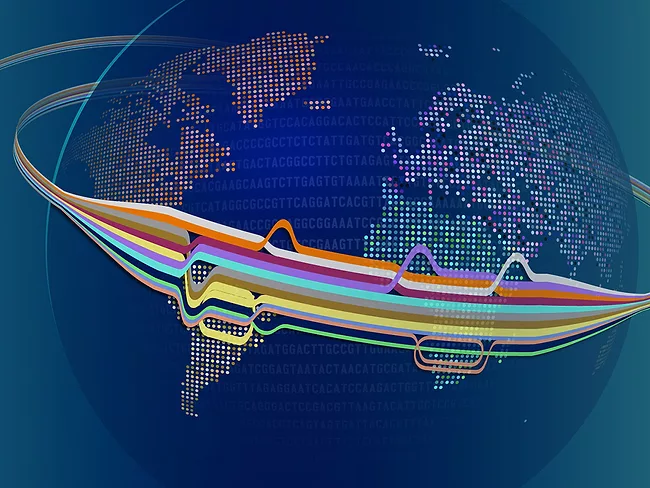
If we unraveled the DNA of the 46 chromosomes of a single human cell, it would barely measure 2 meters. If we did the same with the rest of the body, if we aligned the 3 billion base pairs of its 5 trillion cells, we could travel the distance from the Earth to the Sun more than 100 times. It seems unreachable. However, that is the unit of knowledge of the large sequencing projects achieved in 2023. From the generation of the human pangenome to cell-by-cell maps of the brain and kidneys, scientists this year have completed several omics collaborative projects stored in large international databases. Now, what’s the plan?
Matinas Biopharma Holdings Inc. has reported results from a series of in vivo studies demonstrating successful oral delivery of two lipid nanocrystal (LNC)-formulated small single-strand oligonucleotides that specifically target the key inflammatory cytokines TNF-α and IL-17A in well-established and validated animal models that mimic acute inflammatory responses seen in human diseases.
Modifying a patient’s DNA is no longer just for science fiction novels. The CRISPR gene editing technique developed by Jennifer Doudna and Emmanuelle Charpentier only took 10 years to reach the market as Casgevy (exagamglogene autotemcel/exa-cel, Vertex Pharmaceuticals Inc.), treating congenital pathologies such as β-thalassemia and severe sickle cell disease (SCD). But science does not stop.
Ono Pharmaceutical Co. Ltd. has entered into a discovery collaboration agreement with Evqlv Inc. to generate novel antibodies against multiple targets selected by Ono, for the development of innovative antibody drugs.
JCR Pharmaceuticals Co. Ltd. has signed a research collaboration, option and license agreement with Alexion, Astrazeneca Rare Disease, part of Astrazeneca plc, for the development of novel oligonucleotide therapeutics with targeted delivery to certain tissues or organs using J-Brain Cargo, JCR’s proprietary blood-brain barrier-penetrating technology.
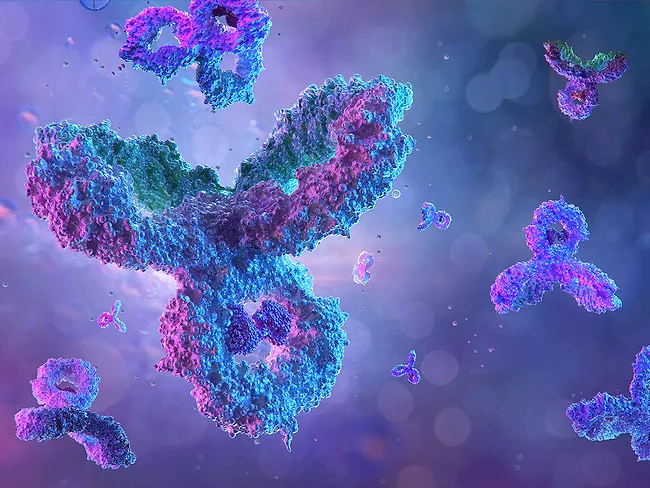
Scientists at Regeneron Pharmaceuticals Inc. have found a new way to permanently stop allergy through a combination of therapies that prevents the production of antibodies in secondary lymphoid organs and in bone marrow. The approach was tested in vivo in cynomolgus monkeys and in a mouse model.
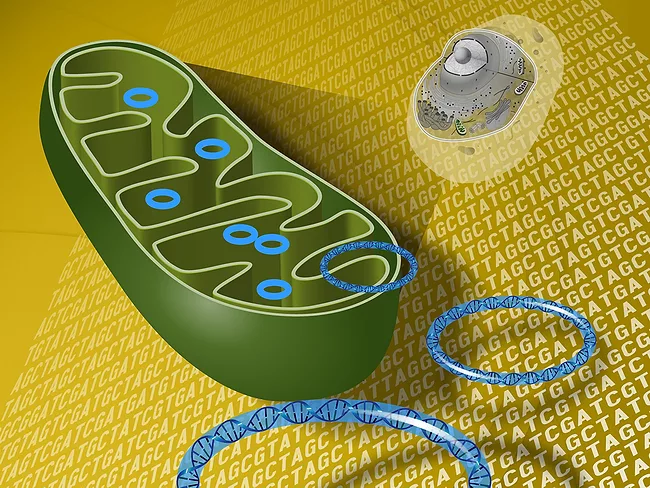
Although there are different methods of nuclear gene editing, there are still no effective treatments against mitochondrial disorders due to genetic alterations. Now, a group of researchers at Precision Biosciences Inc. and the University of Miami (UM) has developed a genetic edition platform that targets mitochondrial DNA (mtDNA) to delete its mutations.
“The ARCUS technology that we use is based on an enzyme found in nature called I-CreI. It is an enzyme that recognizes a 22 base pair DNA sequence within a species of green algae. And when it finds that DNA sequence, it will generate double-strand breaks,” first author Wendy Shoop, a scientist at Precision Biosciences, told BioWorld.

 RSS
RSS