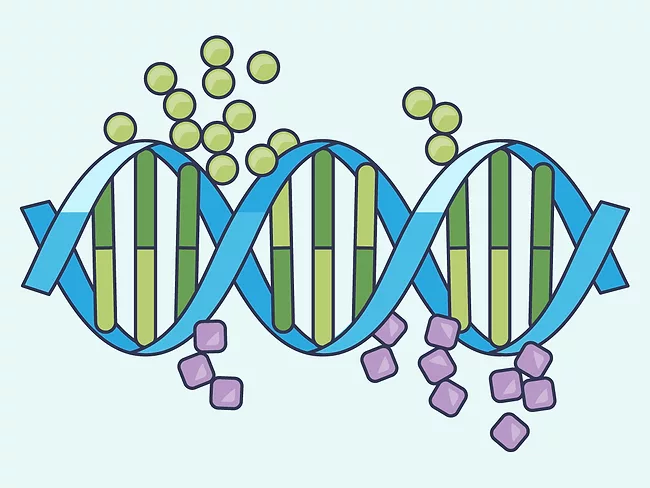
Gene editing technologies are moving forward in preclinical development with innovative strategies designed to treat diseases at their root and even reverse them. However, many approaches still struggle to reach target cells or tissues – either they fail to arrive, or their efficacy is low. In vivo therapies face numerous challenges, but despite these hurdles, 2025 has marked a year of remarkable progress.
Gene editing can repair mutations that prematurely halt protein synthesis, resulting in incomplete peptides that cause various diseases. However, other approaches achieve the same effect without altering the genome. Startup Alltrna Inc. has developed a strategy based on transfer RNA to bypass the premature stop codons that end early protein translation. The company already has a first clinical candidate that could treat metabolic diseases such as methylmalonemia or phenylketonuria.
The first phase of the U.K. synthetic human genome project has successfully completed, realizing key steps in chromosome synthesis. The work has demonstrated a multistep method for transfecting mouse stem cells with native human chromosomes, where they are stably maintained and can be manipulated to replace native DNA with synthetic DNA. The engineered chromosomes can then be transferred into a human cell in place of the native chromosomes.
On Dec. 2, 2025, the FDA released draft guidance that could reduce the use of nonhuman primates (NHPs) in preclinical testing of monoclonal antibodies. According to the guidance, which the FDA released for the purpose of soliciting comments, “In general, studies longer than 3 months in nonrodent species (e.g., NHPs, dogs, and mini-pigs) are not warranted to evaluate toxicities … when data from 3-month studies are supplemented with a weight-of-evidence (WoE) risk assessment.”
By transplanting a pig kidney into a brain-dead person, researchers have been able to conduct the first long-term study of the physiological processes occurring in both the transplant recipient and the pig organ for 61 days. The findings were published in the Nov. 14, 2025, issue of Nature in two papers – one focusing on physiological and immunological measurements, the other on multiomics.
The U.K. government has published a road map for phasing out animal testing in life sciences research and announced £75 million (US$98.6 million) for work to develop nonanimal models, leaving scientists concerned because they say, in many cases, there can never be meaningful alternatives to using live animals.
Durable reprogramming of human T cells may now be possible thanks to a new technique based on the CRISPRoff and CRISPRon methodology. Researchers from the Arc Institute, Gladstone Institutes, and the University of California San Francisco have stably silenced or activated genes in this type of immune cell without cutting or altering its DNA, making T cells more resistant, active, and effective against tumors.
A technology that combines transcriptomic data and AI enables a novel approach to drug discovery based on the state of cells, how they behave and which genes they express. The Drugreflector model, developed by scientists at Cellarity Inc., learns from gene expression profiles and predicts which compounds could induce beneficial changes in that cellular state to develop a treatment.
Expedition Medicines, which Flagship Pioneering Inc. has incubated for the past three years, came out of stealth mode with a $50 million commitment from Flagship to support Expedition’s platform technology to discover small molecules that covalently bind to their target.
While recent advances in gene therapy have offered unprecedented options for patients with hemophilia, new data presented at the 32nd Annual Congress of the European Society of Gene and Cell Therapy (ESGCT), held in Seville Oct. 7-10, revealed persistent concerns regarding the durability of these treatments and their potential liver toxicity.
 RSS
RSS