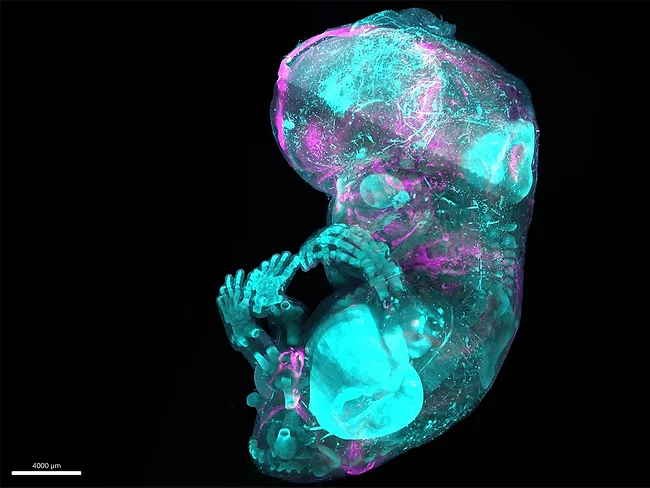
An international consortium of thousands of scientists is creating the Human Cell Atlas, a three-dimensional map of all the cells in the body. The goal is to understand all the cells that make up human tissues, organs and systems, which will enable multiple medical applications. This collection of cell maps is openly available for navigation at single-cell resolution, identified through omics analyses that reveal the tridimensional distribution of each cell.
The development of new machine learning tools like Alphafold and Rfdiffusion has allowed scientists to predict the structure of proteins and design them for drug discovery purposes, among other uses. Now, scientists at the Arc Institute have created Evo, an AI model that generates DNA sequences and estimates their interaction with other molecules at single-nucleotide resolution, scalable to an entire genome.
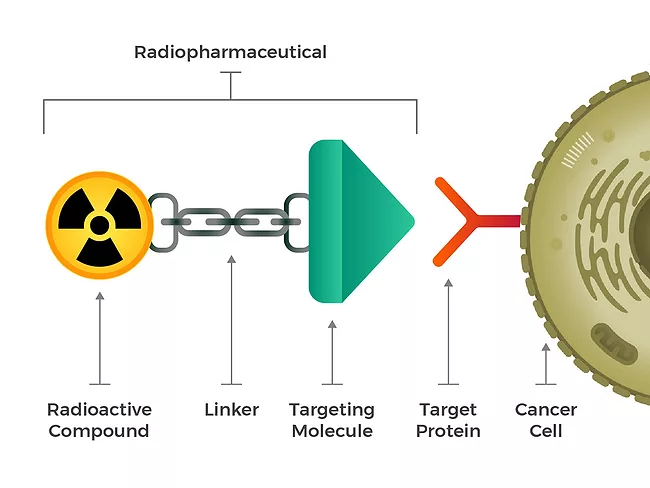
A year out from Leqembi’s approval for Alzheimer’s disease (AD), ongoing research coupled with artificial intelligence is advancing both radiopharmaceuticals and small-molecule drugs for AD diagnostics and treatment, speakers at the 2024 KoNECT-MOHW-MFDS conference said.
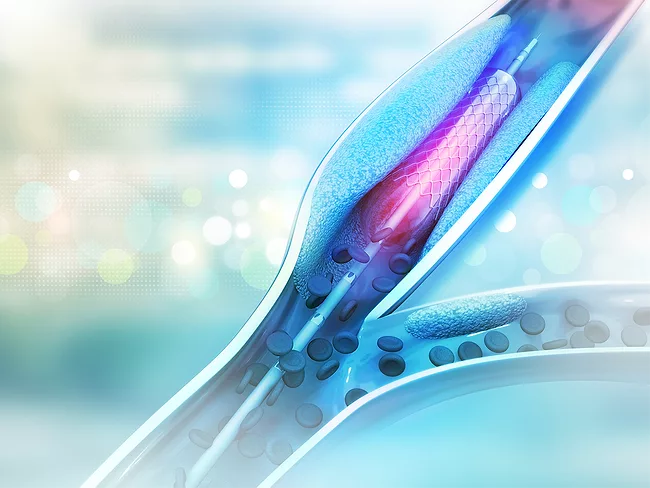
The contest between the two main classes of antiproliferatives for circulatory system use continues as seen in a presentation at this year’s Transcatheter Cardiovascular Therapeutics.
A major increase in the popularity of weight loss drugs, particularly GLP-1s, has created a rivalry with traditional device orientated approaches, but a new technology aims to navigate the space between them.
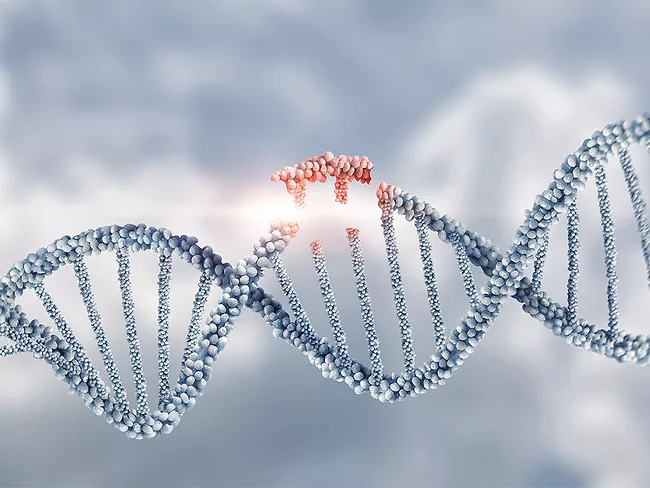
Some rare skin diseases not only reduce the quality of life of patients, but also can be devastating conditions, leading to amputations or death. At the 31st annual congress of the European Society of Gene and Cell Therapy (ESGCT), held last week in Rome, different laboratories showcased their approaches to editing mutations related to this group of diseases.
David Baker, Demis Hassabis and John Jumper share the 2024 Nobel Prize in Chemistry for their contributions to the science of protein structure. David Baker was awarded half the prize “for computational protein design,” according to the Royal Swedish Academy of Sciences. Hassabis and Jumper shared the other half “for protein structure prediction.”
David Baker, director of the Institute for Protein Design at the University of Washington School of Medicine, is a pioneer in protein design. His contributions have been recognized with countless awards, and now, a place among the 2024 Clarivate Citation Laureates.
David Baker, Demis Hassabis and John Jumper share the 2024 Nobel Prize in Chemistry for their contributions to the science of protein structure. David Baker was awarded half the prize “for computational protein design,” according to the Royal Swedish Academy of Sciences. Hassabis and Jumper shared the other half “for protein structure prediction.”

 RSS
RSS